
Land Clearing in Sydney: What Rural Property Owners Need to Know Before Clearing a Block
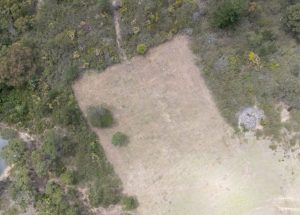
Clearing an overgrown block, opening up a building site, or cutting a fire break sounds simple until you’re standing in front of a wall of scrub wondering where to start. Land clearing Sydney property owners take on ranges from a quarter-acre of regrowth around a shed to several acres of dense bush that hasn’t been touched in a decade, and the right approach changes a lot depending on the scale, the terrain, and what the land is being cleared for. This guide covers what to know before booking a land clearing job – approvals, methods, and how to avoid the most common (and expensive) mistakes.
Do You Need Approval to Clear Land in NSW?
This is the question that catches the most property owners out. In NSW, land clearing is regulated under the Local Land Services Act and, depending on the vegetation type, the Native Vegetation Regulatory Map – clearing native vegetation without approval, even on your own property, can carry significant penalties. There are exemptions for routine agricultural management, fire hazard reduction under the 10/50 rule (for eligible properties within 100 metres of bushland), and clearing that’s already covered by a development consent. But the exemptions are specific, and what counts as “routine” varies by council and by vegetation type. Before any significant land clearing Sydney property owners should check the Native Vegetation Regulatory Map for their block and, for anything beyond light scrub and regrowth, get written confirmation of what’s permitted rather than assuming.
Why Property Owners Clear Land
The reasons vary but tend to fall into a few categories. Bushfire mitigation is a big one on the rural fringe – creating or maintaining a fire break, or clearing to meet a bushfire attack level (BAL) assessment ahead of a build. Site preparation for construction is another common driver, clearing a building envelope and access track ahead of a new home or shed. Then there’s straightforward property management – reclaiming a paddock that’s gone from light regrowth to genuine scrub over a few unmanaged years, or clearing fence lines and boundaries that have become overgrown and inaccessible. Each of these has a slightly different scope and urgency, which affects both the clearing method and how quickly council approval (where needed) can move.
Clearing Methods: Mulching vs Traditional Clearing
Traditional land clearing – cutting, stacking, and burning or trucking vegetation off-site – is still common, but it’s slow, weather-dependent (burning needs a permit and the right conditions), and leaves a property looking like a construction site until the waste is dealt with. Forestry mulching is increasingly the preferred method for land clearing Sydney rural properties: a mulching head mounted on an excavator shreds scrub, saplings, and undergrowth in a single pass, leaving the material as mulch on the ground instead of in a burn pile or a truck. It’s faster, doesn’t need a burn permit, and the resulting mulch actually protects the cleared soil from erosion while it breaks down. For most acreage jobs – fire breaks, access tracks, paddock reclamation – mulching gets the job done in a fraction of the time traditional clearing takes.
What Affects the Cost and Timeline of Land Clearing
A few things drive the price and duration of any land clearing Sydney job more than anything else: the density and size of what’s being cleared (light regrowth clears far faster than established scrub with larger saplings), access (a block with tight gates, slopes, or no vehicle access takes longer and needs different equipment), and whether the vegetation needs to be removed entirely or can be mulched and left on-site. A quarter-acre of light regrowth around a shed might be a half-day job. Several acres of dense, established scrub with limited access could take multiple days. Getting a contractor to walk the site before quoting, rather than pricing from a description alone, is the only reliable way to get an accurate number.
Common Mistakes to Avoid
The most expensive mistake is clearing before checking approval requirements – a council-ordered restoration on native vegetation cleared without consent costs far more than the clearing itself would have. The second most common mistake is underestimating access requirements and booking equipment that can’t actually get to the areas that need clearing, which either blows out the timeline or leaves parts of the job undone. The third is treating land clearing as a one-off with no plan for what happens next – cleared land without any follow-up management (mowing, mulching, or replanting depending on the goal) tends to regrow within a season or two, undoing the work.
Access and Terrain: The Factor Most Quotes Miss
Sydney’s rural fringe covers a wide range of terrain, from flat, easily accessible paddocks around Camden to steeper, more heavily treed blocks further out toward the Blue Mountains foothills. Access genuinely changes what a land clearing job involves – a block with wide gates and firm, flat ground lets larger machinery move freely and clear efficiently, while narrow access, soft ground, or steep sections may need smaller equipment, more passes, or in some cases hand-clearing for the areas machinery simply can’t reach safely. This is exactly why a phone quote without a site visit is often wrong in one direction or the other: either overpriced for a straightforward flat block, or underpriced for a property where half the job needs a different approach than the rest.
Choosing a Land Clearing Contractor
Not every contractor doing land clearing Sydney-wide has the same equipment or approach, and that matters more than it might seem. Ask specifically what method they use (mulching versus traditional cut-and-remove), whether they’ve handled the Native Vegetation Regulatory Map process before, and whether they carry the right insurance for working near fences, sheds, and neighbouring properties. A contractor who walks the site before quoting, rather than pricing from a phone description, is generally a better sign than one who quotes sight unseen – land clearing is one of those jobs where the terrain genuinely changes both the price and the method, and a fixed quote without a site visit is often optimistic at best.
What to Do With Cleared Land Afterward
Clearing is rarely the end goal on its own – what happens to the land afterward matters just as much. If the block is being mowed or grazed going forward, a follow-up mow or slash a few weeks after clearing helps establish a manageable groundcover before weeds move into the bare ground. If it’s a building site, the cleared area typically needs to stay accessible and reasonably weed-free until construction starts. Whatever the end use, planning that step before the clearing crew leaves – rather than working it out afterward – saves a second scramble a few months down the track when regrowth starts creeping back in.
How Land Clearing Differs From Slashing or Mowing
It’s worth being clear on where land clearing ends and routine property maintenance begins, since the two get confused often. Slashing and mowing manage grass and light growth on land that’s already broadly open – they cut vegetation back but don’t remove root systems, established scrub, or saplings. Land clearing goes further, removing the vegetation itself rather than just cutting it back, which is why it needs the approvals and equipment discussed above where routine mowing doesn’t. A property owner planning a season of general upkeep needs a mowing or slashing contractor; a property owner opening up new ground, whether for a fire break, a building site, or reclaiming genuinely overgrown scrub, needs land clearing Sydney contractors equipped for the heavier job.
Land Clearing for Fire Breaks and Bushfire Preparedness
Fire break clearing deserves its own mention, since it’s one of the most common reasons Sydney’s rural fringe property owners book land clearing work each year. A fire break needs to be wide enough and clear enough to genuinely slow a fire’s progress, which usually means more than a light mow – established scrub and understorey along boundary lines needs to come out, not just be cut back temporarily. Because fire break requirements are often tied to specific council or RFS guidance depending on the property’s bushfire attack level, it’s worth confirming the required width and standard before clearing starts, rather than clearing to a rough guess and finding out afterward it doesn’t meet requirements.
Clearing a block well the first time – with the right approvals sorted, the right method for the terrain, and a plan for what happens to the land afterward – saves a lot of cost and hassle compared to getting partway through and hitting a snag. If you’re planning land clearing Sydney-wide, whether it’s a single paddock, a fire break, or a full building site, get in touch for a free on-site quote and an honest read on what your block actually needs.