Fine Line Lawns

finelinelawns

overgrown property clearing Sydney acreage mowing cecil park

How to Reclaim an Overgrown Property: The Right Order for Clearing, Spraying and Mowing

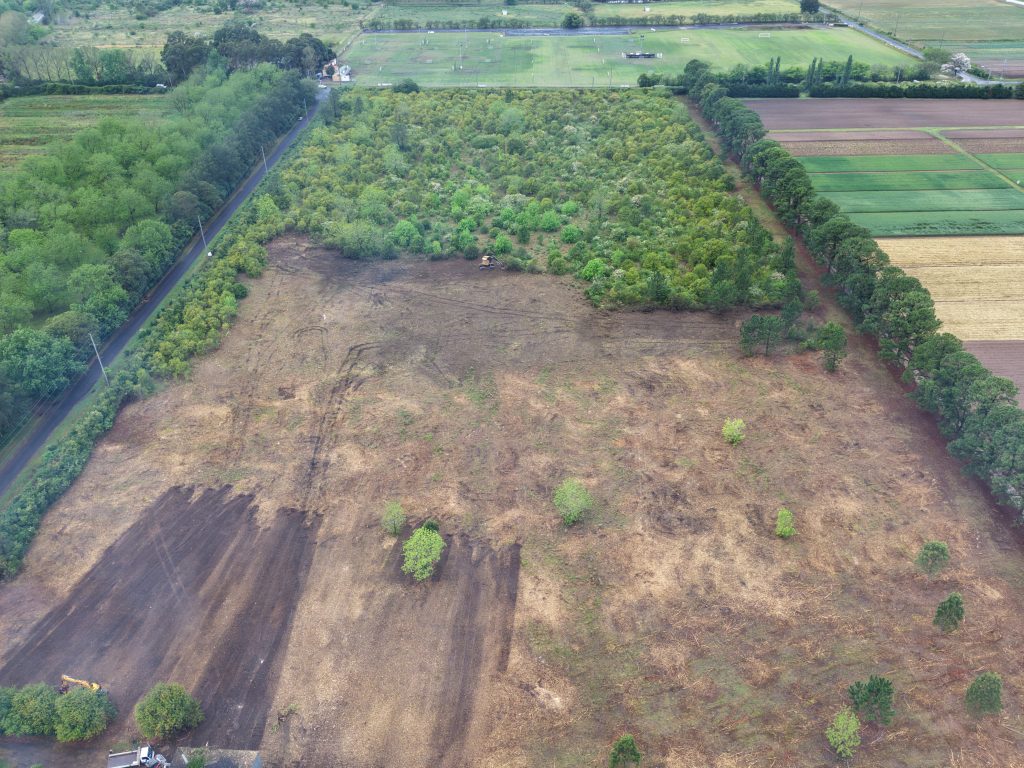
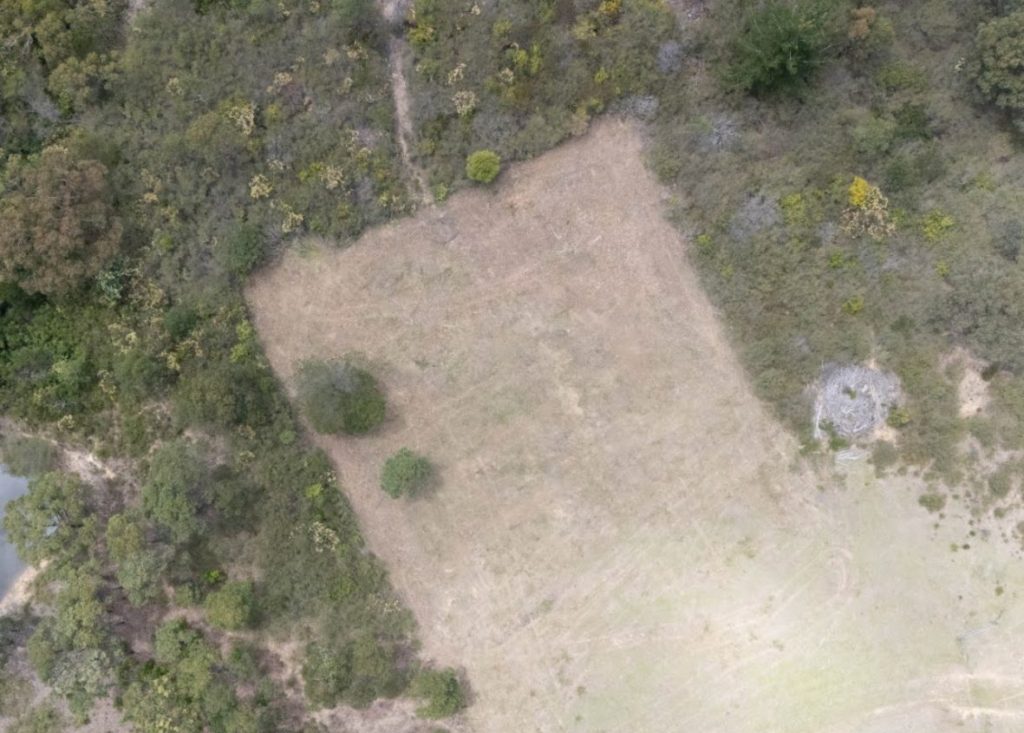
How to Reclaim an Overgrown Property: The Right Order for Clearing, Spraying and Mowing Buying a neglected block, inheriting a family property, or simply letting a few seasons slip can leave an acreage property in a state where it is hard to know where to begin. The grass is waist-high, the weeds have gone to seed, scrub has crept across the paddocks, and the fence lines have vanished. Overgrown property clearing Sydney landholders arrange tends to go wrong when jobs are done in the wrong order: mowing before clearing, spraying before weeds are growing, or clearing without checking approvals. This guide sets out a sensible order of attack, so each step makes the next one easier and cheaper. Step 1: Walk the Property and Make a Plan Start by walking the whole block. Note where the worst growth is, what kind it is (grass, weeds, woody scrub, trees), where the access points are, and what hazards you can see: old fencing, rubbish, stumps, holes, dams, steep ground. Take photos and mark problem areas on a simple map. Check whether the land is in a bushfire prone area, whether there are mapped waterways or native vegetation, and whether any trees are protected. A contractor can do much of this with you, and a good one will give you a staged plan rather than one big quote. A clear picture at this stage stops you paying for work you cannot legally carry out, or for the wrong method. Step 2: Check What You Are Allowed to Clear This is the step most people skip. In NSW, clearing native vegetation can require approval even on your own land, and penalties for unapproved clearing can be heavy. Routine grass management and weed removal are generally fine, but scrub, saplings and trees are different, and the rules depend on the vegetation type and your council. Properties inside a designated 10/50 area have an entitlement to clear near dwellings for bushfire protection, with limits. When in doubt, check the NSW Native Vegetation Regulatory Map, speak to your council or Local Land Services, and get written confirmation before any significant overgrown property clearing Sydney owners plan. Our guide to land clearing in Sydney covers the approvals in more detail. Step 3: Identify the Weeds Before You Cut Anything Some weeds are more than a nuisance. Under the NSW Biosecurity Act 2015, landholders have a general biosecurity duty to control priority weeds, which is the modern name for what used to be called noxious weeds. Species such as blackberry, lantana, African lovegrass and fireweed turn up regularly on Sydney’s rural fringe, and some can spread when they are cut or carried on machinery. Identify what you have before work starts, so the right tool is used and weed seed is not spread across the property. If you are not sure, get it identified. Our guide to broadleaf, clover and noxious weed control explains what to look for and how it is treated. Step 4: Clear the Woody Growth First Heavy vegetation comes out before anything else. Scrub, saplings, dense regrowth and fallen branches stop mowers, slashers and spray rigs from doing their jobs, and they hide hazards. Forestry mulching is often the quickest way to deal with it: an excavator-mounted mulching head shreds the material in place, leaving a layer of mulch rather than piles to burn or cart away. Trees that need to stay, or that need pruning or removal, are best assessed by an arborist at this stage so the clearing works around them. Overgrown property clearing Sydney owners book is judged by what is left behind as much as what is taken, so agree beforehand what stays and what goes. Step 5: Slash the Grass and Weeds Once the woody growth is dealt with, slashing resets the grass and weeds to a manageable height. It opens up the ground, exposes anything hidden, and cuts the fire load. A slasher will handle growth that a ride-on mower cannot, and it can be done quickly across large areas. Do not expect a neat finish at this stage, because the aim is to reset, not to polish. If you are not sure whether you need a slash or a mow, our slashing versus mowing guide explains the difference. Step 6: Spray the Weeds While They Are Growing Weed spraying works best on actively growing plants, so it usually pays to wait for fresh regrowth after the slash, often a few weeks, and then spray. Herbicide is taken up more effectively through fresh leaf than through old, tough or drought-stressed growth, and a slashed stand of weeds often puts out new foliage that is easier to treat. Broadleaf weeds, clover and priority weeds may each need different products, so match the treatment to what you identified in step 3. Spraying before the cut wastes product on plants that are about to be removed, and spraying long after leaves weeds free to set seed again. A follow-up pass six to eight weeks later picks up what was missed. Step 7: Mow to Maintain Only now does regular mowing begin. After the reset, a ride-on mower can keep the property tidy on a schedule that suits the season, with shorter intervals in spring and longer ones in winter. Mowing regularly stops weeds from seeding, keeps fire risk down and prevents the property sliding back into the state it started in. Our seasonal guide to how often to mow acreage in Sydney gives rough intervals for each time of year. Why the Order Matters Each step sets up the next. Clearing first gives machinery access and reveals hazards. Slashing exposes the ground and brings weeds back into fresh growth. Spraying then hits actively growing plants rather than dead stalks. Mowing locks in the result. Do overgrown property clearing Sydney jobs in the wrong order and you pay more: a mower on uncleared scrub gets damaged, a spray on drought-hardened weeds does little, and clearing without a plan can undo itself in

How to Reclaim an Overgrown Property: The Right Order for Clearing, Spraying and Mowing Read More »
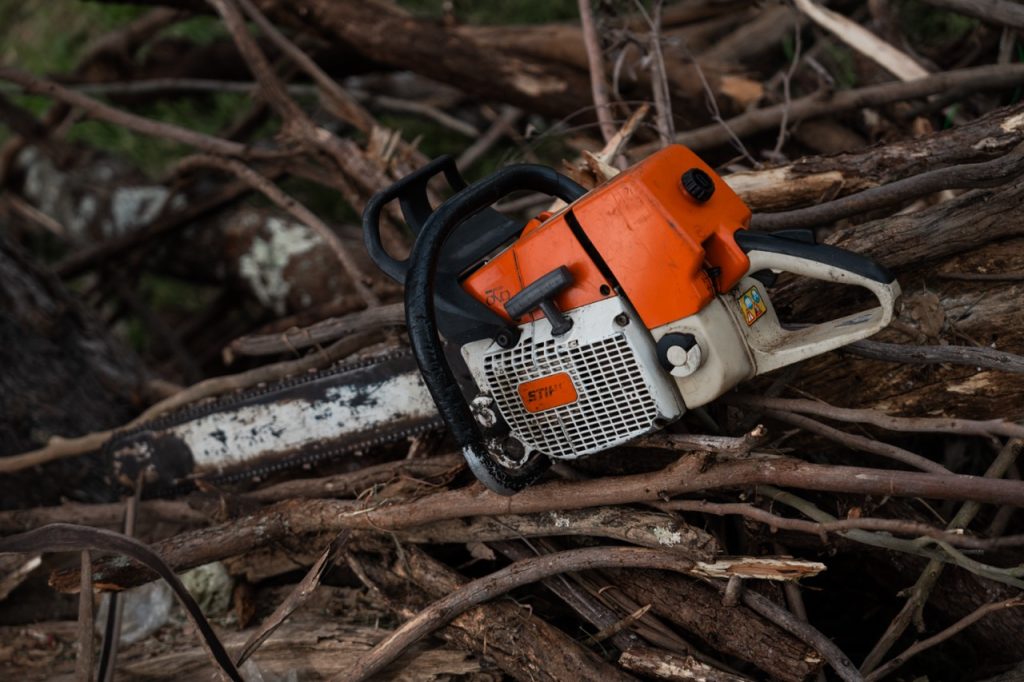
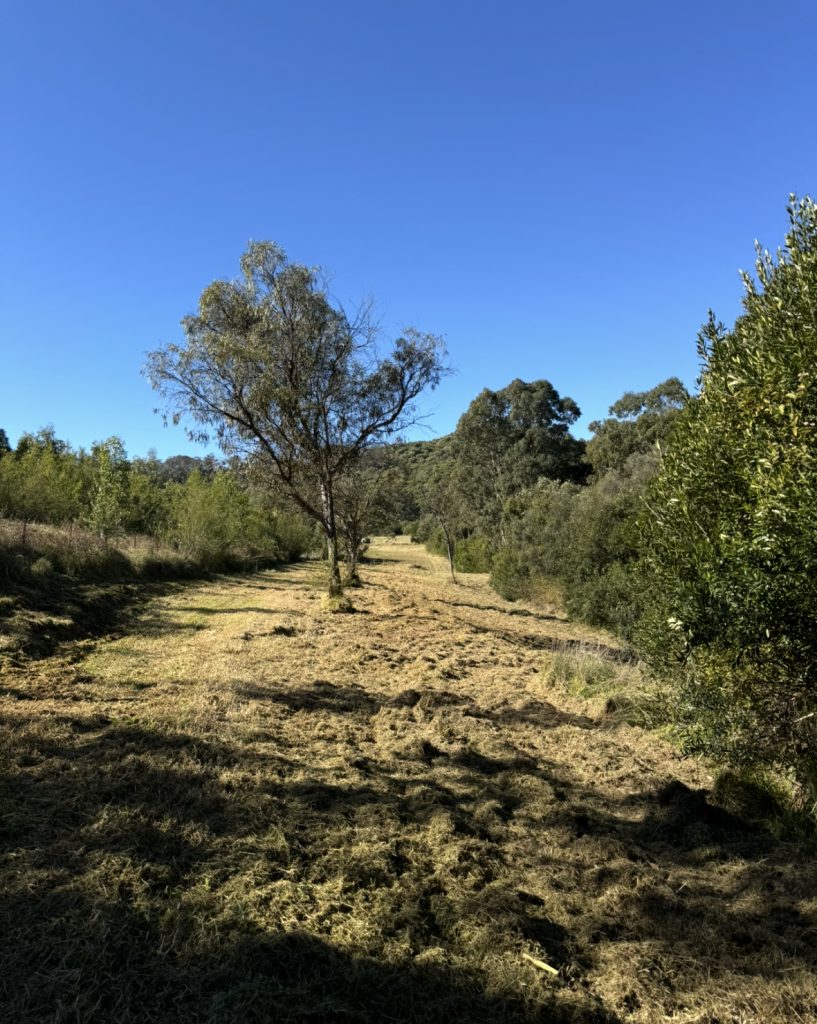
Tree pruning Sydney

Tree Pruning or Tree Removal: How a Certified Arborist Decides

Tree Pruning or Tree Removal: How a Certified Arborist Decides Few decisions on a rural property feel as final as removing a tree. It can take decades to grow and seconds to cut, and once it is gone it is gone. But leaving a damaged or badly placed tree can be just as costly, whether the risk is a limb coming down on a roof, a fence or a vehicle. At Fine Line Lawns, our director is a certified arborist, and the first question on any tree job is the same: can this tree be made safe and healthy with pruning, or does it genuinely need to come out? This guide explains how that decision is made, and what to know about tree pruning Sydney landholders often get wrong. Start With the Tree, Not the Chainsaw An arborist begins with an assessment. They look at the species and its natural growth habit, the structure of the trunk and main limbs, the health of the canopy, signs of decay or disease, and what is underneath or beside the tree: a house, a shed, a driveway, power lines, a neighbour’s boundary. A tree in the middle of an open paddock can tolerate defects that would be unacceptable over a bedroom roof. The same tree can be fine or dangerous depending on where it stands, so the assessment is about risk, not just the condition of the tree itself. When Tree Pruning Is the Right Answer Most trees do not need to come out. Pruning is usually the better choice when a tree is basically healthy and structurally sound but has a problem that can be corrected: dead or dying branches, limbs hanging over a roof or driveway, crossing or rubbing branches, a canopy that has grown too dense, or growth reaching toward power lines. Good tree pruning Sydney arborists carry out removes the problem while keeping the tree’s natural shape and its ability to recover. Done well, it reduces the risk of falling branches, lets in light and airflow, and can extend a tree’s life by years. Proper cuts are made at the right point on the branch so the tree can seal the wound, rather than leaving stubs or tearing bark. When Removal Is the Right Answer Sometimes pruning cannot fix the problem. Removal is usually considered when a tree is dead, when it has major structural defects such as a split trunk or a serious lean with lifting roots, when decay has weakened the trunk, when storm or fire damage is beyond recovery, or when it stands where it cannot be kept safe without removing most of the canopy. Trees that are damaging foundations, drains or buildings may also be candidates. Removing a healthy tree is a last resort, but it is the right call when safety is genuinely at stake. A good arborist will explain why they are recommending removal and show you what they found. Signs a Tree Needs Attention You do not need to be an arborist to spot early warning signs. Dead branches in the canopy, bark that is peeling away or splitting, fungal growth or mushrooms around the base, a trunk that is cracked, hollow or oozing, a lean that has changed after rain or wind, soil lifting around the roots, and sudden leaf loss out of season can all point to a problem. Large limbs hanging over a roof, vehicle or play area deserve attention even when the tree looks healthy. None of these signs means a tree must be removed, and many can be managed with proper tree pruning Sydney arborists provide, but they are good reasons to have it assessed before the next storm. Do You Need Council Approval? In many council areas, yes, at least for larger or protected trees, and the rules vary. As one example, Wollondilly Council’s tree management policy defines a tree as something over three metres tall, with a trunk circumference of at least 450 millimetres one metre above the ground, or a branch spread of three metres or more. Under that policy a limited amount of selective pruning is allowed without approval: up to 10 per cent of the crown of an indigenous tree or 20 per cent of an exotic tree in a 12-month period, using branches up to 150 millimetres in diameter. Dead trees may be removed without approval if the council is satisfied they are not needed as habitat. A tree posing an immediate and obvious danger can be made safe, but the owner must lodge an application within 72 hours, supported by a qualified arborist’s report. Other councils set different thresholds, so always check yours before any tree pruning Sydney landholders plan, particularly for large, native or heritage-listed trees. Unapproved removal can carry heavy penalties. What Qualifications to Look For Tree work is one of the more dangerous jobs on a property, and qualifications matter. Councils commonly expect pruning to be carried out by an arborist qualified to at least AQF Level 3, and written tree risk reports to come from a consulting arborist at AQF Level 5. Pruning close to power lines needs suitably qualified personnel, and you should never attempt it yourself. Before booking any tree pruning Sydney provider, ask for proof of qualifications and public liability insurance, look for an arborist who follows the Australian Standard for pruning of amenity trees (AS4373), and be wary of anyone offering to lop a large tree cheaply with no insurance and no assessment. Our director is a certified arborist, and our team specialises in tree pruning, removal and maintenance. Why Bad Pruning Can Be Worse Than No Pruning Poor pruning does lasting damage. Topping, which cuts a tree back to stubs, removes too much of the canopy, stresses the tree and encourages weak, fast-growing shoots that break more easily than the original branches. Flush cuts, or leaving long stubs, slow healing and invite decay. Removing too much foliage in one go can starve the tree, and over-pruning may also breach council

Tree Pruning or Tree Removal: How a Certified Arborist Decides Read More »

Slashing vs Mowing on Acreage | Slashing Services Sydney Guide

Slashing vs Mowing: Which Does Your Sydney Acreage Actually Need? Ask ten acreage owners the difference between slashing and mowing and you will get ten different answers. Some use the words interchangeably, and some assume slashing is just mowing with a bigger machine. In practice they are different jobs with different equipment, different results and different costs, and booking the wrong one can mean paying twice. This guide explains the difference, when each one makes sense, and how to tell what your property needs. If you are comparing slashing services Sydney contractors offer against a regular mowing program, this should help you choose with confidence. What Mowing Is Designed For Mowing is maintenance. A ride-on or zero-turn mower cuts grass that is already being kept at a manageable height, leaving a neat, even finish. It suits regularly maintained paddocks, lawns around the house, driveways and orchard rows, anywhere appearance matters and the grass has not been allowed to get away. A mower deck works best when it is taking off a small amount of growth each pass. Fed tall, dense or woody material, it will struggle, scalp the ground or clump the clippings, and it puts a lot of strain on both the machine and the operator. What Slashing Is Designed For Slashing is a reset. A slasher is a heavier-duty rotary or flail cutter, usually towed behind a tractor or fitted to a heavy-duty machine, built to cut tall grass, thick weeds and light woody regrowth that a normal mower cannot handle. It leaves a rougher finish than a mow, with more clippings left on the ground, but it can take a paddock from waist-high growth back to something workable in a single pass. That is why slashing services Sydney landholders book are often one-off or seasonal jobs: reclaiming a neglected block, cutting back before fire season, or opening up a paddock that has not been touched for months. The Simple Height Test If you are not sure which you need, look at the grass. As a rough guide, if it is around knee height or above, or it has gone to seed and thickened into a dense mat, you are in slashing territory. If it is shorter and has been cut regularly, a mower will do the job. Thick weeds, blackberry canes, lantana or woody regrowth push you further toward slashing, or beyond it to mulching. Where you land also depends on the equipment and how even the ground is, so treat the height as a guide rather than a hard rule, and ask a contractor to look at the paddock if you are unsure. Slashing vs Mowing, Side by Side Put simply, mowing is for keeping things tidy and slashing is for getting things back under control. Mowing gives a cleaner finish, suits a regular schedule and is gentler on the paddock. Slashing handles heavy growth and large areas quickly, but leaves a rougher result and is better suited to open ground than to areas around gardens, trees or buildings. Mowing is usually a recurring job. Slashing is usually a catch-up job or a seasonal one. Many properties use both: a slash to reset the paddock, followed by regular mowing to keep it that way. The cheapest outcome of all is a property that is mowed often enough that it never needs slashing. Why Long Grass Is More Than a Cosmetic Problem On acreage, overgrown grass is a safety issue as well as an appearance one. Dry grass is fast-burning fuel, which is why slashing becomes a priority going into the bushfire danger period. Long grass also gives snakes and other pests cover close to the house, hides rocks, stumps, holes and fence wire that can damage machinery, and makes weed problems harder to see and treat early. The longer it is left, the more cutting it takes, and the more it costs to bring back. That is the main reason slashing services Sydney owners leave until the last minute usually cost more than a regular mowing program would have. Slashing and Fire Season Slashing is one of the quickest ways to cut the fuel load across a large area, which is why demand picks up each spring. Cutting grass short across paddocks, along fence lines and around outbuildings reduces the amount of fast-burning fuel and makes it easier to see hazards. It works best alongside a proper fire break, where heavier scrub is mulched or cleared and access tracks are kept open. If you want the detail, our guide to fire break clearing in Sydney explains what the rules allow and how the work is done. For many owners, booking slashing services Sydney contractors provide early in the season is the simplest fire preparation they can do. Slashing Around Trees, Dams and Fences Open paddocks are the easy part. Around trees, dam edges, fence lines and garden beds, slashing needs more care, because a heavy cutter can damage bark, catch fence wire or throw stones and debris. A skilled operator will slash up to the edge, then finish the tight spots with a smaller machine or a brush cutter rather than forcing a big rig into them. Dam banks and sloping ground call for particular care, both for operator safety and to avoid scalping the soil and causing erosion. When you are comparing slashing services Sydney contractors offer, ask how they handle the awkward areas, because that is often where the quality of a job shows. What Slashing Will Not Fix Slashing cuts what is above ground. It does not remove the roots of woody weeds and shrubs, which will usually shoot again within weeks, and it will not deal with established saplings, dense scrub or large stands of lantana or blackberry. For that you need forestry mulching or land clearing, where the vegetation is shredded or removed rather than simply cut back. Slashing also does not control weeds on its own. Broadleaf weeds and clover tend to bounce back after being cut, which is

Slashing vs Mowing on Acreage | Slashing Services Sydney Guide Read More »

fire break clearing Sydney. Planning fire break clearing in Sydney before summer? Learn what the 10/50 rules allow, where the limits are, and how fire breaks on acreage are cleared and maintained.

Fire Break Clearing Sydney | What Acreage Owners Need to Know

Fire Break Clearing on Sydney Acreage: What to Clear Before Bushfire Season Every spring the same thing happens on rural and acreage blocks across Sydney. The grass shoots up after winter, the undergrowth thickens along the fence lines, and the bushfire danger period starts before most owners have thought about it. A fire break is one of the simplest and most effective things a landholder can do to prepare, but only if it is done properly, in the right place and within the rules. This guide explains what fire break clearing Sydney property owners actually need to know: what a fire break is, what you can clear without separate approval, where the limits sit, and how the work is usually done. What a Fire Break Actually Does A fire break is a strip of land where fuel has been reduced or removed, so a fire has less to burn and is easier to slow, stop or defend. It does not make a property fireproof, and on its own it will not stop a fire driven by strong wind and embers. What it does is reduce the amount of fuel near your house, sheds and boundaries, give firefighters a safer place to work and a way to move vehicles, and lower the intensity of a fire as it approaches. On acreage, where the distance between the bush and the house is often short, that reduction in fuel can change how a fire behaves when it arrives. Good fire break clearing Sydney landholders carry out each year is really fuel management: keep grass short, remove dense scrub and low branches, and break up the continuous fuel that carries fire across a property. Why Timing Matters: the Danger Period Has Already Started In most of NSW the statutory bush fire danger period runs from 1 October to 31 March, although local councils can vary the dates. That means it has already begun across much of Sydney’s rural fringe. During the danger period you generally need a fire permit to light a fire in the open, so burning off a pile of cleared scrub is rarely a practical option once the season is under way. Booking fire break clearing Sydney contractors early also matters for a simpler reason: demand climbs quickly once the weather warms up and fire danger ratings start appearing in the news. If your block carries heavy grass or dense regrowth, the time to arrange the work is before the hot, dry stretch arrives, not during it. Know the Rules: the 10/50 Vegetation Clearing Entitlement Clearing vegetation in NSW is regulated, and clearing native vegetation without approval can carry serious penalties. The main exception for bushfire protection is the 10/50 Vegetation Clearing Entitlement. If your property is inside a designated 10/50 Vegetation Clearing Entitlement Area, you can clear trees within 10 metres of a dwelling, and clear shrubs and other underlying vegetation (but not trees) within 50 metres of it, without separate approval. The clearing must follow the 10/50 Code of Practice, and clearing done outside that code is unlawful. The Rural Fire Service has a look-up tool on its website to check whether your address falls inside an entitlement area, and it is the first thing to check before any fire break clearing Sydney landholders plan near a house. Where the 10/50 Entitlement Stops The entitlement has limits, and they catch people out. A Penrith City Council fact sheet, for example, lists restrictions on removing trees or heavily pruning them on slopes steeper than 18 degrees, no clearing within 10 metres of a river or lake, no clearing in mapped wetlands, and no clearing where critically endangered plants or ecological communities are present. Cumberland Plain Woodland and Shale Sandstone Transition Forest are protected communities in parts of Western Sydney. Herbicide use is also restricted under the code, and harming protected wildlife can still lead to prosecution. Rules differ between council areas and between properties, so for anything beyond routine grass management it is worth checking with your council or the RFS before clearing starts, rather than assuming the entitlement covers the whole job. Fire Breaks Beyond the House: Boundaries, Tracks and Dams On acreage, fire preparation is more than the area around the house. Boundary fire breaks along fence lines slow a fire coming from a neighbouring block or bushland. Access tracks need to be clear and wide enough for a tanker to drive in and turn around, because firefighters cannot defend what they cannot reach. Water sources such as dams and tanks need clear access too, so a pump or hose can be set up quickly. And the paddocks themselves matter: long, dry grass is fast-burning fuel, so keeping it short, particularly nearest the house and sheds, does more than most people expect. The exact width and standard of a fire break depends on your property, its bushfire attack level and council or RFS guidance, so confirm the requirement before clearing to a rough guess. How Fire Break Clearing Is Actually Done There are three main methods, and most jobs use a combination. Slashing and mowing handle grass and light weeds, cutting them short in a single pass. It is fast, economical and well suited to open paddocks and boundary strips. Forestry mulching handles the heavier material: scrub, saplings and dense regrowth are shredded on site by a mulching head fitted to an excavator, leaving a layer of mulch instead of a pile to burn or cart away. It works well on slopes and in tight spots where other machinery struggles. Weed spraying keeps regrowth down once the area is cleared, particularly along tracks and fence lines where grass and weeds return quickly. For many properties, the most effective fire break clearing Sydney owners can arrange is a slashed or mulched strip that is then sprayed and kept short through the season. Why Mulching Often Beats Burning and Stacking Many owners still think of fire break work as cut it, stack it, burn it. During the danger period

Fire Break Clearing Sydney | What Acreage Owners Need to Know Read More »

acreage mowing Sydney

How Often to Mow Acreage in Sydney | Seasonal Acreage Mowing Guide

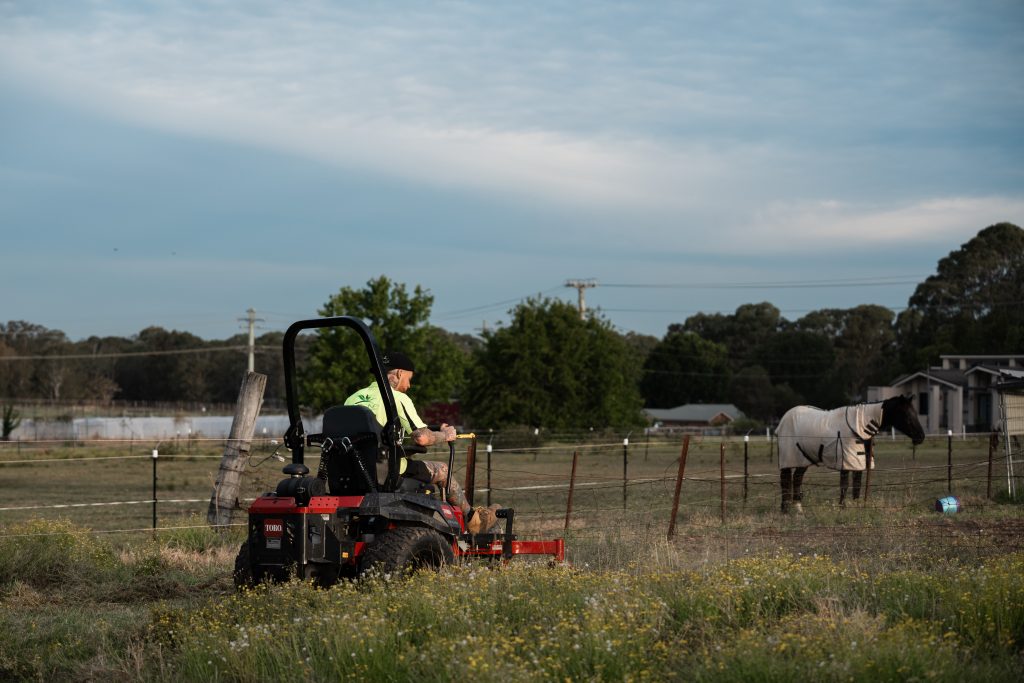
How Often Should You Mow an Acreage Property in Sydney? A Seasonal Guide   One of the most common questions from new acreage owners around Sydney isn’t how to mow a large property, it’s how often. Suburban lawn advice – mow weekly, or fortnightly in summer – doesn’t map cleanly onto a one, two, or five-acre block, where growth rates, grass type, and the sheer time a full mow takes all change the calculation. This guide breaks down acreage mowing Sydney property owners should expect season by season, and what actually happens if you fall behind. Why the Question Keeps Coming Up It’s a fair question to ask, because the honest answer is genuinely more complicated than a single number. Unlike a suburban lawn, where most owners eventually settle into a fixed weekly or fortnightly habit without much thought, an acreage property forces the question back into view every season as growth conditions shift. New owners in particular tend to either overcommit early – booking a tight schedule that’s more than the property actually needs through winter – or undercommit and end up needing an expensive slashing catch-up once spring growth outpaces an infrequent schedule. Getting a realistic read on the pattern for your specific block, rather than guessing from general advice, is usually worth doing in the first few months of owning an acreage property. Why Acreage Mowing Frequency Is a Different Question to Suburban Lawn Care A suburban lawn mowed weekly rarely gets away from the owner – even a missed week or two is easy to catch up on with a standard mower in twenty minutes. An acreage property is a different equation. Mowing two or three acres can take several hours even with a ride-on, which means the real question isn’t “how often would be ideal” but “how often is realistically achievable” – and falling behind on acreage compounds fast, because taller grass takes longer to cut, is harder on equipment, and often needs slashing rather than mowing once it’s gotten away. That’s why most acreage mowing Sydney schedules are built around growth stage rather than a fixed weekly or fortnightly rule. Spring: The Fastest Growth of the Year Spring is when Sydney acreage properties need the most frequent attention. Warmer temperatures and (usually) reliable rain bring on rapid growth, and a paddock that looked tidy three weeks ago can be knee-high again by the time you get back to it. Most acreage properties need mowing every two to three weeks through spring to stay ahead of growth, and if a property has been neglected over winter, an initial slash may be needed before regular mowing can resume – regular mowers aren’t built to handle heavily overgrown grass in one pass. Summer: Growth Slows, But Fire Risk Doesn’t Growth typically slows through the hotter, drier stretches of a Sydney summer, which can tempt owners to stretch out the interval between mows. The catch is fire risk – long, dry grass is exactly the fuel load that bushfire mitigation rules are designed to reduce, and many rural properties have specific obligations to keep grass below a certain height through fire season regardless of how fast it’s actually growing. A four to six week interval is common through summer on properties without heavy irrigation, but it’s worth treating the mowing schedule as a fire safety task as much as a tidiness one during this stretch. Autumn: A Second Growth Flush Cooler temperatures paired with autumn rain often bring a second, smaller growth spurt before winter dormancy sets in. Acreage mowing Sydney properties typically need during this period sits similar to spring – roughly every three weeks – though it tapers off as the season moves into cooler, drier weeks toward winter. Winter: The Quietest Season for Growth Winter is when most Sydney acreage properties can stretch mowing out to every six to eight weeks, sometimes longer depending on rainfall and grass type. It’s also a practical window for other property maintenance – slashing overgrown edges, clearing fence lines, or tackling weed spraying while growth is slow enough that a single pass keeps things under control for longer. What Happens When You Fall Behind Missing a mow on a suburban lawn is a minor inconvenience. On acreage, falling behind has real knock-on effects: overgrown grass becomes a fire hazard, a haven for snakes and ticks, and eventually too tall for a standard ride-on mower to handle at all, requiring a slashing pass first at extra cost before regular mowing can resume. It also makes weed problems harder to spot and treat early, since broadleaf weeds and clover can establish and seed well before they’re visible above longer grass. Staying roughly on schedule, even if the exact interval flexes with the season, is almost always cheaper and easier than catching up after falling behind. Grass Type and Rainfall Change the Answer Every guide to acreage mowing Sydney property owners will read has to come with a caveat: grass type and local rainfall shift the ideal frequency more than the season alone. Kikuyu and couch, common on many rural fringe blocks, grow noticeably faster than fescue-based pasture and generally need more frequent attention through the warmer months. Properties with irrigation, dams, or naturally higher rainfall (the Hawkesbury and parts of the Southern Highlands fringe, for instance) will often need mowing more often than a drier block on the western fringe, even in the same season. A contractor familiar with your specific area can usually judge this more accurately than a generic seasonal rule. Setting Up a Realistic Mowing Schedule The properties that stay looking consistently well kept year-round tend to have one thing in common: a standing schedule rather than an ad hoc, reactive approach. Booking acreage mowing Sydney services on a recurring basis – adjusted seasonally rather than fixed year-round – means the property never gets far enough behind to need an expensive slashing catch-up, and it takes the mental load of “when did we last mow” off the

How Often to Mow Acreage in Sydney | Seasonal Acreage Mowing Guide Read More »

land mulching Sydney

Land Mulching in Sydney: Why Mulching Beats Burning and Green Waste Removal

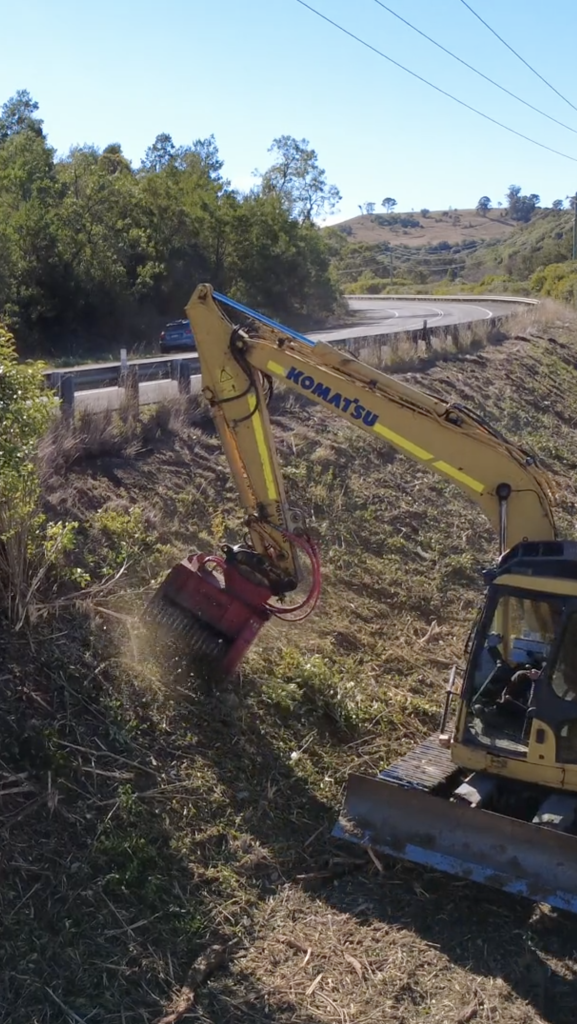
Land Mulching in Sydney: Why Mulching Beats Burning and Green Waste Removal   Every property owner who’s cleared vegetation ends up facing the same question: what happens to the pile of cut scrub, branches, and undergrowth left behind? For decades the answer was burn it or truck it away. Land mulching Sydney contractors now offer a third option that’s faster, cheaper in most cases, and better for the soil underneath – but it’s still misunderstood by a lot of property owners who assume mulching is just a nice-to-have rather than the more practical choice. Here’s how land mulching Sydney rural properties are increasingly turning to, actually compares to the alternatives. Why More Sydney Properties Are Switching to Mulching The shift toward mulching over the last several years isn’t just a preference, it’s largely driven by the practical problems the older methods kept creating. Burn permits have become harder to secure reliably as fire seasons lengthen and total fire ban days increase, leaving property owners with cleared vegetation piled up and no legal way to deal with it for weeks at a time. Green waste tip fees have also climbed steadily, making truck removal a bigger line item in a clearing budget than it used to be. Land mulching Sydney contractors have picked up a lot of that demand simply because the alternative has gotten slower and more expensive at the same time mulching equipment has become more widely available. What Land Mulching Actually Involves Mulching uses a purpose-built mulching head – either mounted on an excavator or a dedicated forestry mulcher – to shred vegetation on the spot rather than cutting and removing it. Instead of a pile of logs, branches, and scrub waiting for a truck or a burn permit, the material is broken down into an even layer of coarse mulch and left across the cleared area. The equipment can handle everything from grass and light scrub through to saplings and small trees, depending on the machine and attachment used, which makes land mulching Sydney contractors offer a genuinely flexible option across paddocks, fence lines, and building sites alike. Mulching vs Burning Burning off vegetation still happens across Sydney’s rural fringe, but it comes with real constraints: a permit from the local Rural Fire Service, the right weather window (too dry and it’s not permitted at all; too damp and it won’t burn properly), and someone available to monitor the fire from start to finish. Get any of those wrong and you’re either not burning at all or doing it illegally, with real fire risk attached. Mulching sidesteps all of it – no permit, no weather window, no fire to monitor – and it can happen on a schedule that suits the property owner rather than the fire danger rating. For anyone who’s had a planned burn cancelled or delayed by conditions, this alone is often reason enough to switch. Mulching vs Green Waste Removal The other traditional option – cutting, stacking, and trucking vegetation off-site as green waste – solves the burning problem but introduces a new one: cost. Green waste removal is typically charged by the load or by weight, and a genuinely overgrown block can generate a surprising number of truckloads once everything is cut and stacked. It also means paying for two separate things – the labour to cut and stack, and the cost to remove – where mulching folds both into a single pass with the machine. Because the material stays on your property as mulch rather than leaving as waste, there’s no removal cost at all. The Soil Benefit Most Property Owners Don’t Expect This is the part that surprises most people: mulch left behind after clearing isn’t just leftover material, it’s doing useful work. A layer of mulch across freshly cleared ground suppresses weed and regrowth germination, retains moisture in the topsoil (particularly valuable through a dry Sydney summer), and reduces erosion on exposed soil until grass or groundcover re-establishes. Land left bare after traditional clearing is far more prone to washing out in heavy rain, especially on the sloped blocks common across the Sydney basin. Mulch essentially gives the cleared area a protective layer while it recovers, at no extra cost since it’s a by-product of the clearing itself rather than something you pay to bring in separately. When Mulching Isn’t the Right Fit Mulching isn’t the answer for every job. If a property owner wants vegetation removed entirely – for a build where the site needs to be genuinely clear, or where local council conditions require material taken off-site – mulching that leaves material in place won’t satisfy that requirement, and green waste removal or a hybrid approach is the better fit. Very large timber (established trees rather than scrub and saplings) usually needs separate felling and removal before mulching equipment can handle the rest. A good contractor will flag this during the initial site walk rather than after the job’s started. What a Land Mulching Job Actually Looks Like A typical land mulching Sydney job starts the same way a clearing job should: a walk of the property to assess density, terrain, and access before any machinery moves in. From there, the mulching head works through the target area in passes, shredding scrub and undergrowth as it goes rather than cutting it down for later removal. Depending on density and access, a mulcher can typically clear somewhere between a quarter-acre and an acre a day – considerably faster than manual cutting and stacking, and without the follow-up truck runs or burn-day scheduling that traditional methods need. Mulch as a Long-Term Ground Cover Beyond the immediate soil protection, mulch left after clearing continues breaking down over months, gradually adding organic matter back into the topsoil – a genuine benefit on the sandstone-influenced soils common across parts of Sydney’s rural fringe, where topsoil quality is often thin to begin with. Property owners planning to reseed pasture or lawn on cleared ground often wait a short period for the mulch

Land Mulching in Sydney: Why Mulching Beats Burning and Green Waste Removal Read More »

land clearing Sydney Land Clearing & Forestry Mulching Sydney​

Land Clearing in Sydney: What Rural Property Owners Need to Know Before Clearing a Block

Land Clearing in Sydney: What Rural Property Owners Need to Know Before Clearing a Block   Clearing an overgrown block, opening up a building site, or cutting a fire break sounds simple until you’re standing in front of a wall of scrub wondering where to start. Land clearing Sydney property owners take on ranges from a quarter-acre of regrowth around a shed to several acres of dense bush that hasn’t been touched in a decade, and the right approach changes a lot depending on the scale, the terrain, and what the land is being cleared for. This guide covers what to know before booking a land clearing job – approvals, methods, and how to avoid the most common (and expensive) mistakes. Do You Need Approval to Clear Land in NSW? This is the question that catches the most property owners out. In NSW, land clearing is regulated under the Local Land Services Act and, depending on the vegetation type, the Native Vegetation Regulatory Map – clearing native vegetation without approval, even on your own property, can carry significant penalties. There are exemptions for routine agricultural management, fire hazard reduction under the 10/50 rule (for eligible properties within 100 metres of bushland), and clearing that’s already covered by a development consent. But the exemptions are specific, and what counts as “routine” varies by council and by vegetation type. Before any significant land clearing Sydney property owners should check the Native Vegetation Regulatory Map for their block and, for anything beyond light scrub and regrowth, get written confirmation of what’s permitted rather than assuming. Why Property Owners Clear Land The reasons vary but tend to fall into a few categories. Bushfire mitigation is a big one on the rural fringe – creating or maintaining a fire break, or clearing to meet a bushfire attack level (BAL) assessment ahead of a build. Site preparation for construction is another common driver, clearing a building envelope and access track ahead of a new home or shed. Then there’s straightforward property management – reclaiming a paddock that’s gone from light regrowth to genuine scrub over a few unmanaged years, or clearing fence lines and boundaries that have become overgrown and inaccessible. Each of these has a slightly different scope and urgency, which affects both the clearing method and how quickly council approval (where needed) can move. Clearing Methods: Mulching vs Traditional Clearing Traditional land clearing – cutting, stacking, and burning or trucking vegetation off-site – is still common, but it’s slow, weather-dependent (burning needs a permit and the right conditions), and leaves a property looking like a construction site until the waste is dealt with. Forestry mulching is increasingly the preferred method for land clearing Sydney rural properties: a mulching head mounted on an excavator shreds scrub, saplings, and undergrowth in a single pass, leaving the material as mulch on the ground instead of in a burn pile or a truck. It’s faster, doesn’t need a burn permit, and the resulting mulch actually protects the cleared soil from erosion while it breaks down. For most acreage jobs – fire breaks, access tracks, paddock reclamation – mulching gets the job done in a fraction of the time traditional clearing takes. What Affects the Cost and Timeline of Land Clearing A few things drive the price and duration of any land clearing Sydney job more than anything else: the density and size of what’s being cleared (light regrowth clears far faster than established scrub with larger saplings), access (a block with tight gates, slopes, or no vehicle access takes longer and needs different equipment), and whether the vegetation needs to be removed entirely or can be mulched and left on-site. A quarter-acre of light regrowth around a shed might be a half-day job. Several acres of dense, established scrub with limited access could take multiple days. Getting a contractor to walk the site before quoting, rather than pricing from a description alone, is the only reliable way to get an accurate number. Common Mistakes to Avoid The most expensive mistake is clearing before checking approval requirements – a council-ordered restoration on native vegetation cleared without consent costs far more than the clearing itself would have. The second most common mistake is underestimating access requirements and booking equipment that can’t actually get to the areas that need clearing, which either blows out the timeline or leaves parts of the job undone. The third is treating land clearing as a one-off with no plan for what happens next – cleared land without any follow-up management (mowing, mulching, or replanting depending on the goal) tends to regrow within a season or two, undoing the work. Access and Terrain: The Factor Most Quotes Miss Sydney’s rural fringe covers a wide range of terrain, from flat, easily accessible paddocks around Camden to steeper, more heavily treed blocks further out toward the Blue Mountains foothills. Access genuinely changes what a land clearing job involves – a block with wide gates and firm, flat ground lets larger machinery move freely and clear efficiently, while narrow access, soft ground, or steep sections may need smaller equipment, more passes, or in some cases hand-clearing for the areas machinery simply can’t reach safely. This is exactly why a phone quote without a site visit is often wrong in one direction or the other: either overpriced for a straightforward flat block, or underpriced for a property where half the job needs a different approach than the rest. Choosing a Land Clearing Contractor Not every contractor doing land clearing Sydney-wide has the same equipment or approach, and that matters more than it might seem. Ask specifically what method they use (mulching versus traditional cut-and-remove), whether they’ve handled the Native Vegetation Regulatory Map process before, and whether they carry the right insurance for working near fences, sheds, and neighbouring properties. A contractor who walks the site before quoting, rather than pricing from a phone description, is generally a better sign than one who quotes sight unseen – land clearing is

Land Clearing in Sydney: What Rural Property Owners Need to Know Before Clearing a Block Read More »

weed spraying Sydney

Broadleaf, Clover & Noxious Weed Control on Sydney Acreage: A Property Owner’s Guide

Broadleaf, Clover & Noxious Weed Control on Sydney Acreage: A Property Owner’s Guide   If you own a few acres anywhere between Camden and the Hawkesbury, you’ve probably watched broadleaf weeds and clover take over a paddock faster than you can keep on top of them. Suburban lawn advice doesn’t translate well to acreage – what works on a quarter-acre block with a hand sprayer is hopeless across two or three acres of pasture. This guide walks through what broadleaf and clover weeds actually are, why they spread so aggressively on rural blocks around Sydney, and what proper weed spraying Sydney acreage owners actually need, from timing through to equipment.   What Are Broadleaf Weeds, and Why Do They Take Over Acreage Paddocks? Broadleaf weeds cover a wide family of plants – thistles, dock, capeweed, bindii, and dandelion among the most common across the Sydney basin – that grow wide, flat leaves instead of the narrow blades of grass. Unlike grass, most broadleaf weeds set seed quickly and spread through wind, livestock, mowing equipment, and even boots and tyres. On a suburban lawn, a broadleaf outbreak is a cosmetic annoyance. On acreage, it’s a bigger problem: broadleaf weeds compete with pasture grass for water and nutrients, some (like capeweed and Paterson’s curse) are toxic to livestock in large quantities, and a paddock left unchecked for even one growing season can go from a handful of weeds to a near-total takeover by the following spring. The scale is what changes the approach – a paddock’s worth of broadleaf weeds needs a different plan than a backyard garden bed.   Clover: Beneficial Pasture Plant or Problem Weed? Clover sits in an odd spot. In a managed pasture, white or sub clover is often deliberately sown because it fixes nitrogen in the soil and provides good grazing. But on acreage where mowing (rather than grazing) is the main form of management, clover behaves more like a weed than a benefit. It out-competes fine turf grasses, forms dense low mats that smother other pasture species, and its flowers attract bees in large numbers – a real hazard if you’ve got kids, pets, or contractors walking the property regularly. Clover also holds moisture differently to grass, which can leave patches of a mowed paddock looking uneven or slippery underfoot after rain. Whether clover is worth keeping usually comes down to how the land is actually used: grazing land can often tolerate it, while acreage that’s mowed and walked regularly is usually better off with it controlled.   Noxious Weeds: A Legal Obligation, Not Just a Nuisance Broadleaf weeds and clover are largely a management choice, but some of the plants found on Sydney acreage blocks fall into a different category altogether. What used to be called “noxious weeds” under the old Noxious Weeds Act 1993 are now legally termed Priority Weeds under the NSW Biosecurity Act 2015 – and every landholder carries a General Biosecurity Duty to control them, regardless of whether the property is grazed, mowed, or simply left as acreage. Species like blackberry, lantana, African lovegrass, serrated tussock, and fireweed are common across Sydney’s rural fringe and are specifically listed in the Greater Sydney Regional Strategic Weed Management Plan, with local councils acting as the enforcing authority. Ignoring a known noxious or priority weed infestation isn’t just a missed spraying round – councils can issue a biosecurity direction requiring control within a set timeframe, and non-compliance can carry real penalties. Most property owners still use the term “noxious weeds” day to day, and that’s fine for describing the problem, but it’s worth knowing the legal framework has changed if a council weeds officer ever gets in touch about your property. If you’re not sure whether something growing on your block is a noxious/priority weed or just an ordinary broadleaf nuisance, it’s worth getting it identified properly before deciding how – and how urgently – to treat it, since the control method and legal timeline can both differ significantly from routine weed spraying Sydney acreage owners do for broadleaf and clover.   Why Acreage Blocks Need a Different Approach to Weed Spraying A one-litre pump sprayer and a Saturday afternoon might handle a suburban garden bed, but it won’t touch two acres of broadleaf infestation before the weeds have already reseeded. Acreage weed spraying is a volume and coverage problem as much as a chemical one – it requires boom sprayers or vehicle-mounted tank systems capable of covering a paddock evenly in a single pass, correctly calibrated to avoid over-application (which wastes product and risks damaging pasture grass) or under-application (which just breeds herbicide-resistant weeds over time). Terrain matters too – Sydney’s rural fringe includes plenty of sloped, uneven, and partially treed blocks where a contractor with the right equipment can cover the ground safely and evenly, where DIY equipment often can’t reach or can’t cover consistently.   The Best Time of Year for Weed Spraying on Sydney Acreage Timing has more impact on results than almost any other factor. Broadleaf weeds and clover are easiest to control while they’re actively growing and before they set seed – in the Sydney basin, that generally means late autumn through to early spring, when cooler, wetter conditions bring on a flush of new growth. Spraying in the middle of a hot, dry Sydney summer is largely wasted effort: most broadleaf weeds slow their growth and stop absorbing herbicide effectively, and you risk drift onto pasture grass that’s already under moisture stress. A well-timed spray in the cooler months, followed by a smaller follow-up pass six to eight weeks later to catch anything missed or newly germinated, gets far better results than a single summer spray.   DIY Spraying vs a Professional Weed Spraying Sydney Service There’s nothing stopping a property owner from doing their own weed spraying, and plenty do – but it comes with real trade-offs on acreage. Herbicide selection matters: broadleaf-selective products won’t necessarily touch clover, and vice versa, so getting the mix

Broadleaf, Clover & Noxious Weed Control on Sydney Acreage: A Property Owner’s Guide Read More »

Expert Arborist Services: Tree Removal Sydney and Comprehensive Tree Care

Expert Arborist Services: Tree Removal Sydney and Comprehensive Tree Care Maintaining healthy trees and safe outdoor spaces is essential for any property. Whether you manage a residential garden, a strata complex, or a commercial site, proper tree care ensures safety, aesthetics, and property value. At Fine Line Lawns, our team of qualified arborists specialises in tree removal Sydney services, as well as pruning, maintenance, and ongoing tree care.   Why Professional Tree Care Matters Trees are more than just a natural feature on your property—they provide shade, improve air quality, and enhance the visual appeal of your surroundings. However, without professional attention, trees can become hazardous. Overgrown branches, diseased trunks, or unstable roots can pose serious risks, from property damage to personal injury. Engaging a certified arborist ensures that tree issues are assessed and addressed correctly. Our experts evaluate tree health, growth patterns, and structural integrity, providing tailored solutions that maintain the safety and beauty of your property.   Safe and Efficient Tree Removal Sydney One of the most common arborist services we provide is tree removal in Sydney. Removing a tree may be necessary for various reasons: The tree is dead, dying, or diseased. Roots are causing damage to foundations, pipes, or driveways. Overgrown branches interfere with power lines or building structures. Landscaping changes require repositioning or clearing space for new projects. Our arborists use industry-standard equipment and techniques to safely remove trees of all sizes, including large and complex removals. Safety is our top priority, and we meticulously plan every job to protect your property and surrounding landscape.   Tree Pruning and Maintenance Tree care doesn’t stop at removal. Regular pruning and maintenance are essential to ensure healthy growth and reduce potential hazards. At Fine Line Lawns, we provide: Crown thinning and shaping: Improving light penetration and air circulation for healthier trees. Deadwood removal: Eliminating dead or dying branches to prevent falling hazards. Structural pruning: Strengthening weak limbs and reducing the risk of breakage during storms. Health inspections: Identifying signs of disease or pest infestations early. By maintaining your trees proactively, we reduce the need for emergency removals and preserve the natural beauty of your property.   Strata and Commercial Tree Services For strata complexes, commercial sites, and council-managed properties, professional tree care is crucial for compliance and safety. Our arborists work closely with property managers to: Conduct regular tree inspections and maintenance schedules. Remove or prune trees safely without disrupting residents or tenants. Ensure all work meets local council and safety regulations. We understand that managing multiple properties requires reliability and efficiency. Fine Line Lawns provides timely and professional services to keep your grounds safe, functional, and visually appealing.   Emergency Tree Removal Sydney Storms, high winds, and unexpected tree damage can pose immediate risks. Our emergency tree removal Sydney service is designed for rapid response, minimising hazards to people and property. Our team is equipped to handle urgent situations safely, from fallen trees to unstable limbs threatening buildings or vehicles. Emergency removals require expertise and careful planning. Attempting DIY solutions can be dangerous, especially with large trees or complex surroundings. Trusting a professional arborist ensures the job is done safely and efficiently.   Environmental Considerations At Fine Line Lawns, we take an environmentally responsible approach to tree care. When performing tree removal Sydney services, we: Assess whether trees can be relocated instead of removed. Recycle timber and green waste wherever possible. Offer advice on replanting native species to maintain local ecosystems. Our goal is to balance property safety and functionality with environmental sustainability.   Choosing the Right Arborist in Sydney Selecting a certified and experienced arborist is essential. Look for: Industry qualifications and certifications. Proven experience in tree removal, pruning, and general care. Strong safety record and insurance coverage. Local knowledge of Sydney’s climate, soil, and tree species. Fine Line Lawns ticks all these boxes. Our team combines expertise with a commitment to quality and customer satisfaction, making us a trusted choice for homeowners, strata managers, and commercial property owners across Sydney.   Why Fine Line Lawns? When you choose Fine Line Lawns for tree removal Sydney and arborist services, you benefit from: A fully qualified and insured team of arborists. Tailored solutions for residential, commercial, and strata properties. Prompt, professional service with attention to detail. Safe and environmentally responsible tree care practices. We aim to make your outdoor spaces safer, more attractive, and easier to manage. From emergency removals to regular maintenance, our arborists provide peace of mind and long-lasting results.   Conclusion Professional tree care is an investment in safety, beauty, and property value. Whether you require tree removal Sydney, pruning, or ongoing maintenance, Fine Line Lawns offers comprehensive arborist services tailored to your property. Maintaining healthy trees ensures a safer environment for your family, tenants, or customers, while enhancing the aesthetic appeal of your grounds. Don’t leave the safety of your trees to chance—trust the certified arborists at Fine Line Lawns for expert advice, professional service, and reliable results across Sydney. Read our recent reviews.

Expert Arborist Services: Tree Removal Sydney and Comprehensive Tree Care Read More »