Fine Line Lawns

Uncategorised

Slashing vs Mowing on Acreage | Slashing Services Sydney Guide

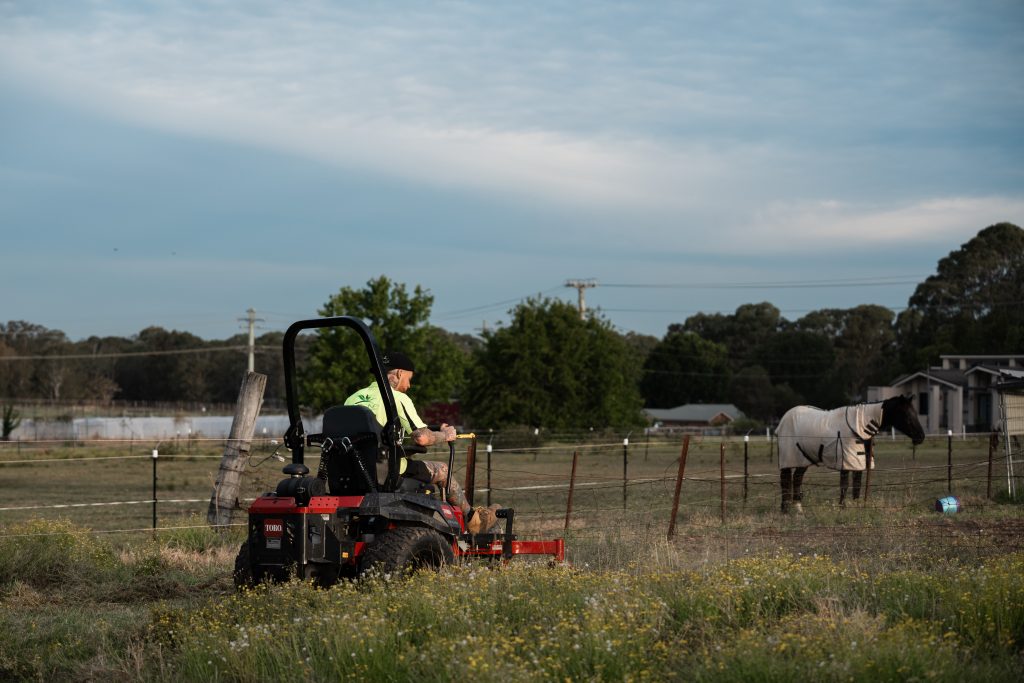
Slashing vs Mowing: Which Does Your Sydney Acreage Actually Need? Ask ten acreage owners the difference between slashing and mowing and you will get ten different answers. Some use the words interchangeably, and some assume slashing is just mowing with a bigger machine. In practice they are different jobs with different equipment, different results and different costs, and booking the wrong one can mean paying twice. This guide explains the difference, when each one makes sense, and how to tell what your property needs. If you are comparing slashing services Sydney contractors offer against a regular mowing program, this should help you choose with confidence. What Mowing Is Designed For Mowing is maintenance. A ride-on or zero-turn mower cuts grass that is already being kept at a manageable height, leaving a neat, even finish. It suits regularly maintained paddocks, lawns around the house, driveways and orchard rows, anywhere appearance matters and the grass has not been allowed to get away. A mower deck works best when it is taking off a small amount of growth each pass. Fed tall, dense or woody material, it will struggle, scalp the ground or clump the clippings, and it puts a lot of strain on both the machine and the operator. What Slashing Is Designed For Slashing is a reset. A slasher is a heavier-duty rotary or flail cutter, usually towed behind a tractor or fitted to a heavy-duty machine, built to cut tall grass, thick weeds and light woody regrowth that a normal mower cannot handle. It leaves a rougher finish than a mow, with more clippings left on the ground, but it can take a paddock from waist-high growth back to something workable in a single pass. That is why slashing services Sydney landholders book are often one-off or seasonal jobs: reclaiming a neglected block, cutting back before fire season, or opening up a paddock that has not been touched for months. The Simple Height Test If you are not sure which you need, look at the grass. As a rough guide, if it is around knee height or above, or it has gone to seed and thickened into a dense mat, you are in slashing territory. If it is shorter and has been cut regularly, a mower will do the job. Thick weeds, blackberry canes, lantana or woody regrowth push you further toward slashing, or beyond it to mulching. Where you land also depends on the equipment and how even the ground is, so treat the height as a guide rather than a hard rule, and ask a contractor to look at the paddock if you are unsure. Slashing vs Mowing, Side by Side Put simply, mowing is for keeping things tidy and slashing is for getting things back under control. Mowing gives a cleaner finish, suits a regular schedule and is gentler on the paddock. Slashing handles heavy growth and large areas quickly, but leaves a rougher result and is better suited to open ground than to areas around gardens, trees or buildings. Mowing is usually a recurring job. Slashing is usually a catch-up job or a seasonal one. Many properties use both: a slash to reset the paddock, followed by regular mowing to keep it that way. The cheapest outcome of all is a property that is mowed often enough that it never needs slashing. Why Long Grass Is More Than a Cosmetic Problem On acreage, overgrown grass is a safety issue as well as an appearance one. Dry grass is fast-burning fuel, which is why slashing becomes a priority going into the bushfire danger period. Long grass also gives snakes and other pests cover close to the house, hides rocks, stumps, holes and fence wire that can damage machinery, and makes weed problems harder to see and treat early. The longer it is left, the more cutting it takes, and the more it costs to bring back. That is the main reason slashing services Sydney owners leave until the last minute usually cost more than a regular mowing program would have. Slashing and Fire Season Slashing is one of the quickest ways to cut the fuel load across a large area, which is why demand picks up each spring. Cutting grass short across paddocks, along fence lines and around outbuildings reduces the amount of fast-burning fuel and makes it easier to see hazards. It works best alongside a proper fire break, where heavier scrub is mulched or cleared and access tracks are kept open. If you want the detail, our guide to fire break clearing in Sydney explains what the rules allow and how the work is done. For many owners, booking slashing services Sydney contractors provide early in the season is the simplest fire preparation they can do. Slashing Around Trees, Dams and Fences Open paddocks are the easy part. Around trees, dam edges, fence lines and garden beds, slashing needs more care, because a heavy cutter can damage bark, catch fence wire or throw stones and debris. A skilled operator will slash up to the edge, then finish the tight spots with a smaller machine or a brush cutter rather than forcing a big rig into them. Dam banks and sloping ground call for particular care, both for operator safety and to avoid scalping the soil and causing erosion. When you are comparing slashing services Sydney contractors offer, ask how they handle the awkward areas, because that is often where the quality of a job shows. What Slashing Will Not Fix Slashing cuts what is above ground. It does not remove the roots of woody weeds and shrubs, which will usually shoot again within weeks, and it will not deal with established saplings, dense scrub or large stands of lantana or blackberry. For that you need forestry mulching or land clearing, where the vegetation is shredded or removed rather than simply cut back. Slashing also does not control weeds on its own. Broadleaf weeds and clover tend to bounce back after being cut, which is

Slashing vs Mowing on Acreage | Slashing Services Sydney Guide Read More »
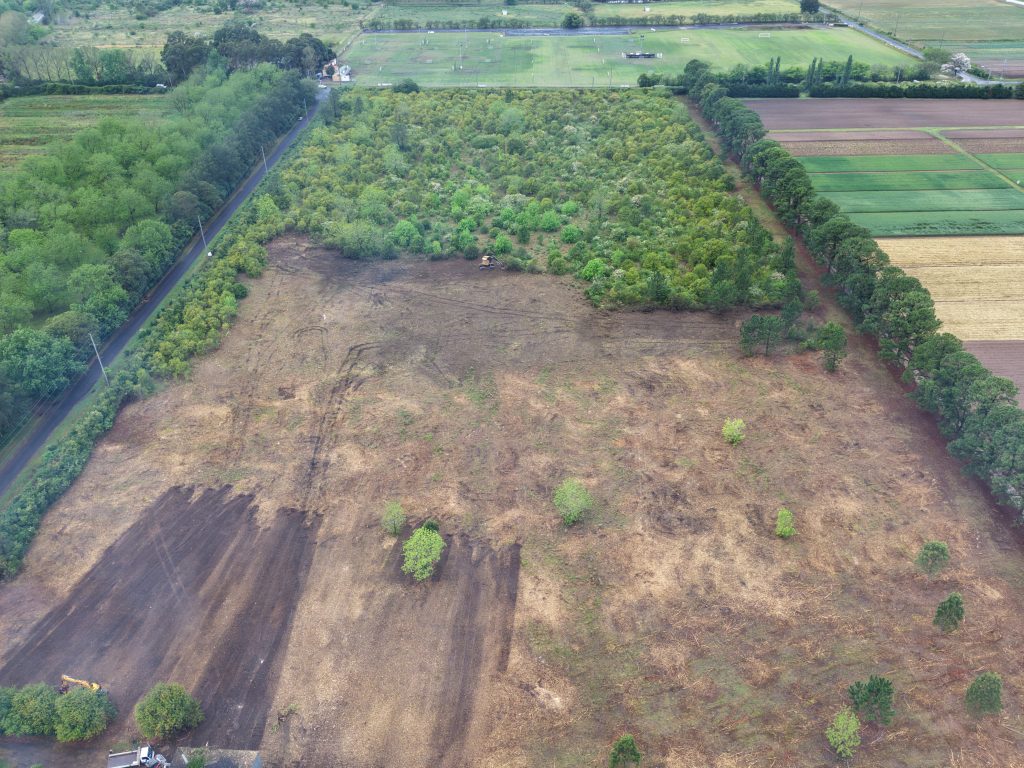
fire break clearing Sydney. Planning fire break clearing in Sydney before summer? Learn what the 10/50 rules allow, where the limits are, and how fire breaks on acreage are cleared and maintained.

Fire Break Clearing Sydney | What Acreage Owners Need to Know

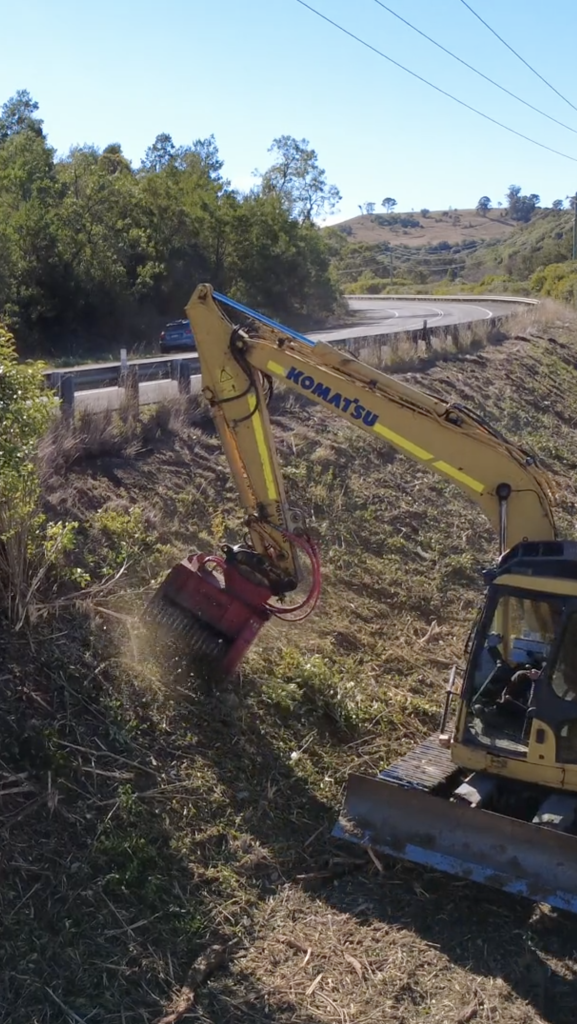
Fire Break Clearing on Sydney Acreage: What to Clear Before Bushfire Season Every spring the same thing happens on rural and acreage blocks across Sydney. The grass shoots up after winter, the undergrowth thickens along the fence lines, and the bushfire danger period starts before most owners have thought about it. A fire break is one of the simplest and most effective things a landholder can do to prepare, but only if it is done properly, in the right place and within the rules. This guide explains what fire break clearing Sydney property owners actually need to know: what a fire break is, what you can clear without separate approval, where the limits sit, and how the work is usually done. What a Fire Break Actually Does A fire break is a strip of land where fuel has been reduced or removed, so a fire has less to burn and is easier to slow, stop or defend. It does not make a property fireproof, and on its own it will not stop a fire driven by strong wind and embers. What it does is reduce the amount of fuel near your house, sheds and boundaries, give firefighters a safer place to work and a way to move vehicles, and lower the intensity of a fire as it approaches. On acreage, where the distance between the bush and the house is often short, that reduction in fuel can change how a fire behaves when it arrives. Good fire break clearing Sydney landholders carry out each year is really fuel management: keep grass short, remove dense scrub and low branches, and break up the continuous fuel that carries fire across a property. Why Timing Matters: the Danger Period Has Already Started In most of NSW the statutory bush fire danger period runs from 1 October to 31 March, although local councils can vary the dates. That means it has already begun across much of Sydney’s rural fringe. During the danger period you generally need a fire permit to light a fire in the open, so burning off a pile of cleared scrub is rarely a practical option once the season is under way. Booking fire break clearing Sydney contractors early also matters for a simpler reason: demand climbs quickly once the weather warms up and fire danger ratings start appearing in the news. If your block carries heavy grass or dense regrowth, the time to arrange the work is before the hot, dry stretch arrives, not during it. Know the Rules: the 10/50 Vegetation Clearing Entitlement Clearing vegetation in NSW is regulated, and clearing native vegetation without approval can carry serious penalties. The main exception for bushfire protection is the 10/50 Vegetation Clearing Entitlement. If your property is inside a designated 10/50 Vegetation Clearing Entitlement Area, you can clear trees within 10 metres of a dwelling, and clear shrubs and other underlying vegetation (but not trees) within 50 metres of it, without separate approval. The clearing must follow the 10/50 Code of Practice, and clearing done outside that code is unlawful. The Rural Fire Service has a look-up tool on its website to check whether your address falls inside an entitlement area, and it is the first thing to check before any fire break clearing Sydney landholders plan near a house. Where the 10/50 Entitlement Stops The entitlement has limits, and they catch people out. A Penrith City Council fact sheet, for example, lists restrictions on removing trees or heavily pruning them on slopes steeper than 18 degrees, no clearing within 10 metres of a river or lake, no clearing in mapped wetlands, and no clearing where critically endangered plants or ecological communities are present. Cumberland Plain Woodland and Shale Sandstone Transition Forest are protected communities in parts of Western Sydney. Herbicide use is also restricted under the code, and harming protected wildlife can still lead to prosecution. Rules differ between council areas and between properties, so for anything beyond routine grass management it is worth checking with your council or the RFS before clearing starts, rather than assuming the entitlement covers the whole job. Fire Breaks Beyond the House: Boundaries, Tracks and Dams On acreage, fire preparation is more than the area around the house. Boundary fire breaks along fence lines slow a fire coming from a neighbouring block or bushland. Access tracks need to be clear and wide enough for a tanker to drive in and turn around, because firefighters cannot defend what they cannot reach. Water sources such as dams and tanks need clear access too, so a pump or hose can be set up quickly. And the paddocks themselves matter: long, dry grass is fast-burning fuel, so keeping it short, particularly nearest the house and sheds, does more than most people expect. The exact width and standard of a fire break depends on your property, its bushfire attack level and council or RFS guidance, so confirm the requirement before clearing to a rough guess. How Fire Break Clearing Is Actually Done There are three main methods, and most jobs use a combination. Slashing and mowing handle grass and light weeds, cutting them short in a single pass. It is fast, economical and well suited to open paddocks and boundary strips. Forestry mulching handles the heavier material: scrub, saplings and dense regrowth are shredded on site by a mulching head fitted to an excavator, leaving a layer of mulch instead of a pile to burn or cart away. It works well on slopes and in tight spots where other machinery struggles. Weed spraying keeps regrowth down once the area is cleared, particularly along tracks and fence lines where grass and weeds return quickly. For many properties, the most effective fire break clearing Sydney owners can arrange is a slashed or mulched strip that is then sprayed and kept short through the season. Why Mulching Often Beats Burning and Stacking Many owners still think of fire break work as cut it, stack it, burn it. During the danger period

Fire Break Clearing Sydney | What Acreage Owners Need to Know Read More »

acreage mowing Sydney

How Often to Mow Acreage in Sydney | Seasonal Acreage Mowing Guide

How Often Should You Mow an Acreage Property in Sydney? A Seasonal Guide   One of the most common questions from new acreage owners around Sydney isn’t how to mow a large property, it’s how often. Suburban lawn advice – mow weekly, or fortnightly in summer – doesn’t map cleanly onto a one, two, or five-acre block, where growth rates, grass type, and the sheer time a full mow takes all change the calculation. This guide breaks down acreage mowing Sydney property owners should expect season by season, and what actually happens if you fall behind. Why the Question Keeps Coming Up It’s a fair question to ask, because the honest answer is genuinely more complicated than a single number. Unlike a suburban lawn, where most owners eventually settle into a fixed weekly or fortnightly habit without much thought, an acreage property forces the question back into view every season as growth conditions shift. New owners in particular tend to either overcommit early – booking a tight schedule that’s more than the property actually needs through winter – or undercommit and end up needing an expensive slashing catch-up once spring growth outpaces an infrequent schedule. Getting a realistic read on the pattern for your specific block, rather than guessing from general advice, is usually worth doing in the first few months of owning an acreage property. Why Acreage Mowing Frequency Is a Different Question to Suburban Lawn Care A suburban lawn mowed weekly rarely gets away from the owner – even a missed week or two is easy to catch up on with a standard mower in twenty minutes. An acreage property is a different equation. Mowing two or three acres can take several hours even with a ride-on, which means the real question isn’t “how often would be ideal” but “how often is realistically achievable” – and falling behind on acreage compounds fast, because taller grass takes longer to cut, is harder on equipment, and often needs slashing rather than mowing once it’s gotten away. That’s why most acreage mowing Sydney schedules are built around growth stage rather than a fixed weekly or fortnightly rule. Spring: The Fastest Growth of the Year Spring is when Sydney acreage properties need the most frequent attention. Warmer temperatures and (usually) reliable rain bring on rapid growth, and a paddock that looked tidy three weeks ago can be knee-high again by the time you get back to it. Most acreage properties need mowing every two to three weeks through spring to stay ahead of growth, and if a property has been neglected over winter, an initial slash may be needed before regular mowing can resume – regular mowers aren’t built to handle heavily overgrown grass in one pass. Summer: Growth Slows, But Fire Risk Doesn’t Growth typically slows through the hotter, drier stretches of a Sydney summer, which can tempt owners to stretch out the interval between mows. The catch is fire risk – long, dry grass is exactly the fuel load that bushfire mitigation rules are designed to reduce, and many rural properties have specific obligations to keep grass below a certain height through fire season regardless of how fast it’s actually growing. A four to six week interval is common through summer on properties without heavy irrigation, but it’s worth treating the mowing schedule as a fire safety task as much as a tidiness one during this stretch. Autumn: A Second Growth Flush Cooler temperatures paired with autumn rain often bring a second, smaller growth spurt before winter dormancy sets in. Acreage mowing Sydney properties typically need during this period sits similar to spring – roughly every three weeks – though it tapers off as the season moves into cooler, drier weeks toward winter. Winter: The Quietest Season for Growth Winter is when most Sydney acreage properties can stretch mowing out to every six to eight weeks, sometimes longer depending on rainfall and grass type. It’s also a practical window for other property maintenance – slashing overgrown edges, clearing fence lines, or tackling weed spraying while growth is slow enough that a single pass keeps things under control for longer. What Happens When You Fall Behind Missing a mow on a suburban lawn is a minor inconvenience. On acreage, falling behind has real knock-on effects: overgrown grass becomes a fire hazard, a haven for snakes and ticks, and eventually too tall for a standard ride-on mower to handle at all, requiring a slashing pass first at extra cost before regular mowing can resume. It also makes weed problems harder to spot and treat early, since broadleaf weeds and clover can establish and seed well before they’re visible above longer grass. Staying roughly on schedule, even if the exact interval flexes with the season, is almost always cheaper and easier than catching up after falling behind. Grass Type and Rainfall Change the Answer Every guide to acreage mowing Sydney property owners will read has to come with a caveat: grass type and local rainfall shift the ideal frequency more than the season alone. Kikuyu and couch, common on many rural fringe blocks, grow noticeably faster than fescue-based pasture and generally need more frequent attention through the warmer months. Properties with irrigation, dams, or naturally higher rainfall (the Hawkesbury and parts of the Southern Highlands fringe, for instance) will often need mowing more often than a drier block on the western fringe, even in the same season. A contractor familiar with your specific area can usually judge this more accurately than a generic seasonal rule. Setting Up a Realistic Mowing Schedule The properties that stay looking consistently well kept year-round tend to have one thing in common: a standing schedule rather than an ad hoc, reactive approach. Booking acreage mowing Sydney services on a recurring basis – adjusted seasonally rather than fixed year-round – means the property never gets far enough behind to need an expensive slashing catch-up, and it takes the mental load of “when did we last mow” off the

How Often to Mow Acreage in Sydney | Seasonal Acreage Mowing Guide Read More »

land mulching Sydney

Land Mulching in Sydney: Why Mulching Beats Burning and Green Waste Removal

Land Mulching in Sydney: Why Mulching Beats Burning and Green Waste Removal   Every property owner who’s cleared vegetation ends up facing the same question: what happens to the pile of cut scrub, branches, and undergrowth left behind? For decades the answer was burn it or truck it away. Land mulching Sydney contractors now offer a third option that’s faster, cheaper in most cases, and better for the soil underneath – but it’s still misunderstood by a lot of property owners who assume mulching is just a nice-to-have rather than the more practical choice. Here’s how land mulching Sydney rural properties are increasingly turning to, actually compares to the alternatives. Why More Sydney Properties Are Switching to Mulching The shift toward mulching over the last several years isn’t just a preference, it’s largely driven by the practical problems the older methods kept creating. Burn permits have become harder to secure reliably as fire seasons lengthen and total fire ban days increase, leaving property owners with cleared vegetation piled up and no legal way to deal with it for weeks at a time. Green waste tip fees have also climbed steadily, making truck removal a bigger line item in a clearing budget than it used to be. Land mulching Sydney contractors have picked up a lot of that demand simply because the alternative has gotten slower and more expensive at the same time mulching equipment has become more widely available. What Land Mulching Actually Involves Mulching uses a purpose-built mulching head – either mounted on an excavator or a dedicated forestry mulcher – to shred vegetation on the spot rather than cutting and removing it. Instead of a pile of logs, branches, and scrub waiting for a truck or a burn permit, the material is broken down into an even layer of coarse mulch and left across the cleared area. The equipment can handle everything from grass and light scrub through to saplings and small trees, depending on the machine and attachment used, which makes land mulching Sydney contractors offer a genuinely flexible option across paddocks, fence lines, and building sites alike. Mulching vs Burning Burning off vegetation still happens across Sydney’s rural fringe, but it comes with real constraints: a permit from the local Rural Fire Service, the right weather window (too dry and it’s not permitted at all; too damp and it won’t burn properly), and someone available to monitor the fire from start to finish. Get any of those wrong and you’re either not burning at all or doing it illegally, with real fire risk attached. Mulching sidesteps all of it – no permit, no weather window, no fire to monitor – and it can happen on a schedule that suits the property owner rather than the fire danger rating. For anyone who’s had a planned burn cancelled or delayed by conditions, this alone is often reason enough to switch. Mulching vs Green Waste Removal The other traditional option – cutting, stacking, and trucking vegetation off-site as green waste – solves the burning problem but introduces a new one: cost. Green waste removal is typically charged by the load or by weight, and a genuinely overgrown block can generate a surprising number of truckloads once everything is cut and stacked. It also means paying for two separate things – the labour to cut and stack, and the cost to remove – where mulching folds both into a single pass with the machine. Because the material stays on your property as mulch rather than leaving as waste, there’s no removal cost at all. The Soil Benefit Most Property Owners Don’t Expect This is the part that surprises most people: mulch left behind after clearing isn’t just leftover material, it’s doing useful work. A layer of mulch across freshly cleared ground suppresses weed and regrowth germination, retains moisture in the topsoil (particularly valuable through a dry Sydney summer), and reduces erosion on exposed soil until grass or groundcover re-establishes. Land left bare after traditional clearing is far more prone to washing out in heavy rain, especially on the sloped blocks common across the Sydney basin. Mulch essentially gives the cleared area a protective layer while it recovers, at no extra cost since it’s a by-product of the clearing itself rather than something you pay to bring in separately. When Mulching Isn’t the Right Fit Mulching isn’t the answer for every job. If a property owner wants vegetation removed entirely – for a build where the site needs to be genuinely clear, or where local council conditions require material taken off-site – mulching that leaves material in place won’t satisfy that requirement, and green waste removal or a hybrid approach is the better fit. Very large timber (established trees rather than scrub and saplings) usually needs separate felling and removal before mulching equipment can handle the rest. A good contractor will flag this during the initial site walk rather than after the job’s started. What a Land Mulching Job Actually Looks Like A typical land mulching Sydney job starts the same way a clearing job should: a walk of the property to assess density, terrain, and access before any machinery moves in. From there, the mulching head works through the target area in passes, shredding scrub and undergrowth as it goes rather than cutting it down for later removal. Depending on density and access, a mulcher can typically clear somewhere between a quarter-acre and an acre a day – considerably faster than manual cutting and stacking, and without the follow-up truck runs or burn-day scheduling that traditional methods need. Mulch as a Long-Term Ground Cover Beyond the immediate soil protection, mulch left after clearing continues breaking down over months, gradually adding organic matter back into the topsoil – a genuine benefit on the sandstone-influenced soils common across parts of Sydney’s rural fringe, where topsoil quality is often thin to begin with. Property owners planning to reseed pasture or lawn on cleared ground often wait a short period for the mulch

Land Mulching in Sydney: Why Mulching Beats Burning and Green Waste Removal Read More »

land clearing Sydney Land Clearing & Forestry Mulching Sydney​

Land Clearing in Sydney: What Rural Property Owners Need to Know Before Clearing a Block

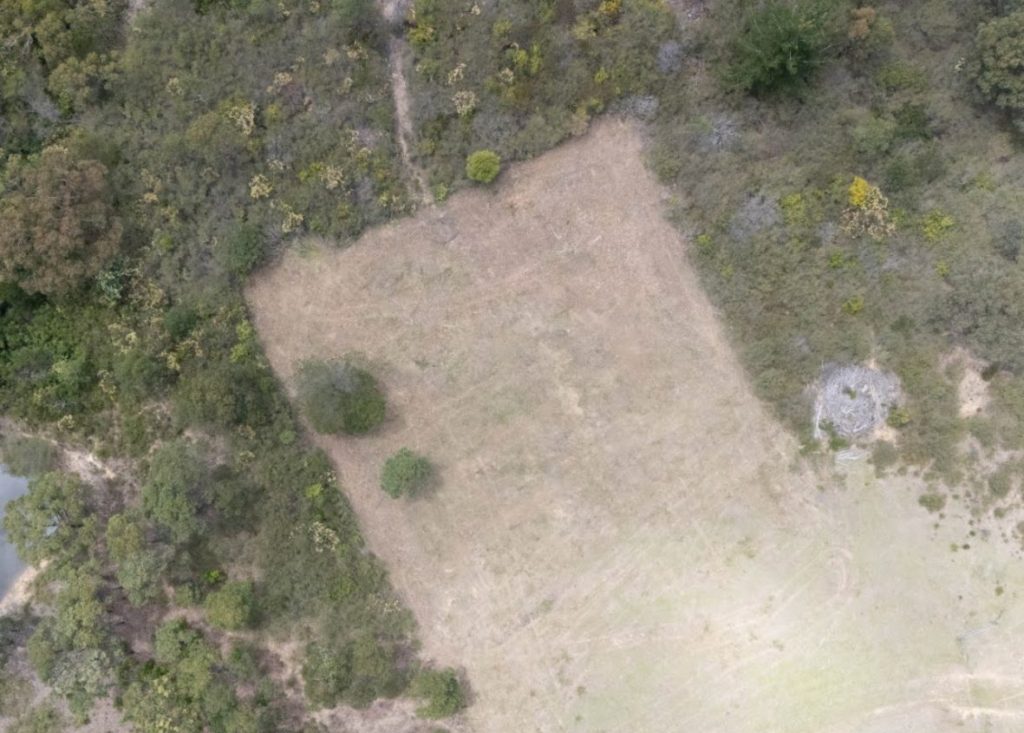
Land Clearing in Sydney: What Rural Property Owners Need to Know Before Clearing a Block   Clearing an overgrown block, opening up a building site, or cutting a fire break sounds simple until you’re standing in front of a wall of scrub wondering where to start. Land clearing Sydney property owners take on ranges from a quarter-acre of regrowth around a shed to several acres of dense bush that hasn’t been touched in a decade, and the right approach changes a lot depending on the scale, the terrain, and what the land is being cleared for. This guide covers what to know before booking a land clearing job – approvals, methods, and how to avoid the most common (and expensive) mistakes. Do You Need Approval to Clear Land in NSW? This is the question that catches the most property owners out. In NSW, land clearing is regulated under the Local Land Services Act and, depending on the vegetation type, the Native Vegetation Regulatory Map – clearing native vegetation without approval, even on your own property, can carry significant penalties. There are exemptions for routine agricultural management, fire hazard reduction under the 10/50 rule (for eligible properties within 100 metres of bushland), and clearing that’s already covered by a development consent. But the exemptions are specific, and what counts as “routine” varies by council and by vegetation type. Before any significant land clearing Sydney property owners should check the Native Vegetation Regulatory Map for their block and, for anything beyond light scrub and regrowth, get written confirmation of what’s permitted rather than assuming. Why Property Owners Clear Land The reasons vary but tend to fall into a few categories. Bushfire mitigation is a big one on the rural fringe – creating or maintaining a fire break, or clearing to meet a bushfire attack level (BAL) assessment ahead of a build. Site preparation for construction is another common driver, clearing a building envelope and access track ahead of a new home or shed. Then there’s straightforward property management – reclaiming a paddock that’s gone from light regrowth to genuine scrub over a few unmanaged years, or clearing fence lines and boundaries that have become overgrown and inaccessible. Each of these has a slightly different scope and urgency, which affects both the clearing method and how quickly council approval (where needed) can move. Clearing Methods: Mulching vs Traditional Clearing Traditional land clearing – cutting, stacking, and burning or trucking vegetation off-site – is still common, but it’s slow, weather-dependent (burning needs a permit and the right conditions), and leaves a property looking like a construction site until the waste is dealt with. Forestry mulching is increasingly the preferred method for land clearing Sydney rural properties: a mulching head mounted on an excavator shreds scrub, saplings, and undergrowth in a single pass, leaving the material as mulch on the ground instead of in a burn pile or a truck. It’s faster, doesn’t need a burn permit, and the resulting mulch actually protects the cleared soil from erosion while it breaks down. For most acreage jobs – fire breaks, access tracks, paddock reclamation – mulching gets the job done in a fraction of the time traditional clearing takes. What Affects the Cost and Timeline of Land Clearing A few things drive the price and duration of any land clearing Sydney job more than anything else: the density and size of what’s being cleared (light regrowth clears far faster than established scrub with larger saplings), access (a block with tight gates, slopes, or no vehicle access takes longer and needs different equipment), and whether the vegetation needs to be removed entirely or can be mulched and left on-site. A quarter-acre of light regrowth around a shed might be a half-day job. Several acres of dense, established scrub with limited access could take multiple days. Getting a contractor to walk the site before quoting, rather than pricing from a description alone, is the only reliable way to get an accurate number. Common Mistakes to Avoid The most expensive mistake is clearing before checking approval requirements – a council-ordered restoration on native vegetation cleared without consent costs far more than the clearing itself would have. The second most common mistake is underestimating access requirements and booking equipment that can’t actually get to the areas that need clearing, which either blows out the timeline or leaves parts of the job undone. The third is treating land clearing as a one-off with no plan for what happens next – cleared land without any follow-up management (mowing, mulching, or replanting depending on the goal) tends to regrow within a season or two, undoing the work. Access and Terrain: The Factor Most Quotes Miss Sydney’s rural fringe covers a wide range of terrain, from flat, easily accessible paddocks around Camden to steeper, more heavily treed blocks further out toward the Blue Mountains foothills. Access genuinely changes what a land clearing job involves – a block with wide gates and firm, flat ground lets larger machinery move freely and clear efficiently, while narrow access, soft ground, or steep sections may need smaller equipment, more passes, or in some cases hand-clearing for the areas machinery simply can’t reach safely. This is exactly why a phone quote without a site visit is often wrong in one direction or the other: either overpriced for a straightforward flat block, or underpriced for a property where half the job needs a different approach than the rest. Choosing a Land Clearing Contractor Not every contractor doing land clearing Sydney-wide has the same equipment or approach, and that matters more than it might seem. Ask specifically what method they use (mulching versus traditional cut-and-remove), whether they’ve handled the Native Vegetation Regulatory Map process before, and whether they carry the right insurance for working near fences, sheds, and neighbouring properties. A contractor who walks the site before quoting, rather than pricing from a phone description, is generally a better sign than one who quotes sight unseen – land clearing is

Land Clearing in Sydney: What Rural Property Owners Need to Know Before Clearing a Block Read More »

weed spraying Sydney

Broadleaf, Clover & Noxious Weed Control on Sydney Acreage: A Property Owner’s Guide

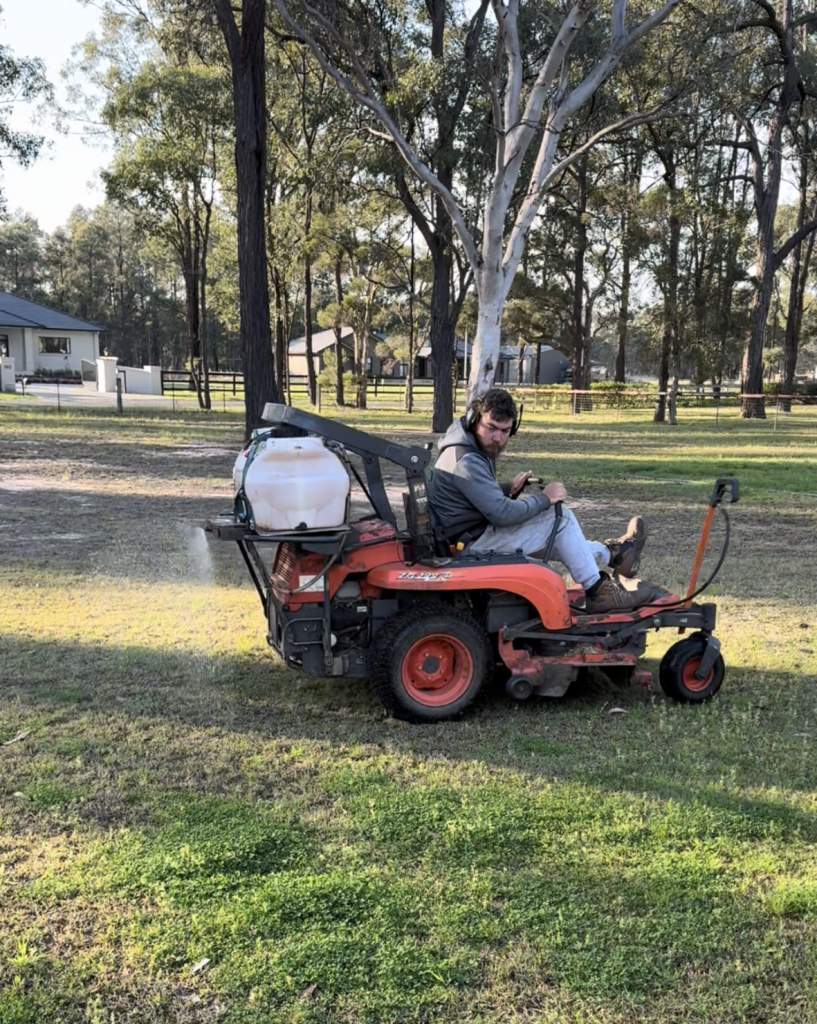
Broadleaf, Clover & Noxious Weed Control on Sydney Acreage: A Property Owner’s Guide   If you own a few acres anywhere between Camden and the Hawkesbury, you’ve probably watched broadleaf weeds and clover take over a paddock faster than you can keep on top of them. Suburban lawn advice doesn’t translate well to acreage – what works on a quarter-acre block with a hand sprayer is hopeless across two or three acres of pasture. This guide walks through what broadleaf and clover weeds actually are, why they spread so aggressively on rural blocks around Sydney, and what proper weed spraying Sydney acreage owners actually need, from timing through to equipment.   What Are Broadleaf Weeds, and Why Do They Take Over Acreage Paddocks? Broadleaf weeds cover a wide family of plants – thistles, dock, capeweed, bindii, and dandelion among the most common across the Sydney basin – that grow wide, flat leaves instead of the narrow blades of grass. Unlike grass, most broadleaf weeds set seed quickly and spread through wind, livestock, mowing equipment, and even boots and tyres. On a suburban lawn, a broadleaf outbreak is a cosmetic annoyance. On acreage, it’s a bigger problem: broadleaf weeds compete with pasture grass for water and nutrients, some (like capeweed and Paterson’s curse) are toxic to livestock in large quantities, and a paddock left unchecked for even one growing season can go from a handful of weeds to a near-total takeover by the following spring. The scale is what changes the approach – a paddock’s worth of broadleaf weeds needs a different plan than a backyard garden bed.   Clover: Beneficial Pasture Plant or Problem Weed? Clover sits in an odd spot. In a managed pasture, white or sub clover is often deliberately sown because it fixes nitrogen in the soil and provides good grazing. But on acreage where mowing (rather than grazing) is the main form of management, clover behaves more like a weed than a benefit. It out-competes fine turf grasses, forms dense low mats that smother other pasture species, and its flowers attract bees in large numbers – a real hazard if you’ve got kids, pets, or contractors walking the property regularly. Clover also holds moisture differently to grass, which can leave patches of a mowed paddock looking uneven or slippery underfoot after rain. Whether clover is worth keeping usually comes down to how the land is actually used: grazing land can often tolerate it, while acreage that’s mowed and walked regularly is usually better off with it controlled.   Noxious Weeds: A Legal Obligation, Not Just a Nuisance Broadleaf weeds and clover are largely a management choice, but some of the plants found on Sydney acreage blocks fall into a different category altogether. What used to be called “noxious weeds” under the old Noxious Weeds Act 1993 are now legally termed Priority Weeds under the NSW Biosecurity Act 2015 – and every landholder carries a General Biosecurity Duty to control them, regardless of whether the property is grazed, mowed, or simply left as acreage. Species like blackberry, lantana, African lovegrass, serrated tussock, and fireweed are common across Sydney’s rural fringe and are specifically listed in the Greater Sydney Regional Strategic Weed Management Plan, with local councils acting as the enforcing authority. Ignoring a known noxious or priority weed infestation isn’t just a missed spraying round – councils can issue a biosecurity direction requiring control within a set timeframe, and non-compliance can carry real penalties. Most property owners still use the term “noxious weeds” day to day, and that’s fine for describing the problem, but it’s worth knowing the legal framework has changed if a council weeds officer ever gets in touch about your property. If you’re not sure whether something growing on your block is a noxious/priority weed or just an ordinary broadleaf nuisance, it’s worth getting it identified properly before deciding how – and how urgently – to treat it, since the control method and legal timeline can both differ significantly from routine weed spraying Sydney acreage owners do for broadleaf and clover.   Why Acreage Blocks Need a Different Approach to Weed Spraying A one-litre pump sprayer and a Saturday afternoon might handle a suburban garden bed, but it won’t touch two acres of broadleaf infestation before the weeds have already reseeded. Acreage weed spraying is a volume and coverage problem as much as a chemical one – it requires boom sprayers or vehicle-mounted tank systems capable of covering a paddock evenly in a single pass, correctly calibrated to avoid over-application (which wastes product and risks damaging pasture grass) or under-application (which just breeds herbicide-resistant weeds over time). Terrain matters too – Sydney’s rural fringe includes plenty of sloped, uneven, and partially treed blocks where a contractor with the right equipment can cover the ground safely and evenly, where DIY equipment often can’t reach or can’t cover consistently.   The Best Time of Year for Weed Spraying on Sydney Acreage Timing has more impact on results than almost any other factor. Broadleaf weeds and clover are easiest to control while they’re actively growing and before they set seed – in the Sydney basin, that generally means late autumn through to early spring, when cooler, wetter conditions bring on a flush of new growth. Spraying in the middle of a hot, dry Sydney summer is largely wasted effort: most broadleaf weeds slow their growth and stop absorbing herbicide effectively, and you risk drift onto pasture grass that’s already under moisture stress. A well-timed spray in the cooler months, followed by a smaller follow-up pass six to eight weeks later to catch anything missed or newly germinated, gets far better results than a single summer spray.   DIY Spraying vs a Professional Weed Spraying Sydney Service There’s nothing stopping a property owner from doing their own weed spraying, and plenty do – but it comes with real trade-offs on acreage. Herbicide selection matters: broadleaf-selective products won’t necessarily touch clover, and vice versa, so getting the mix

Broadleaf, Clover & Noxious Weed Control on Sydney Acreage: A Property Owner’s Guide Read More »

Expert Arborist Services: Tree Removal Sydney and Comprehensive Tree Care

Expert Arborist Services: Tree Removal Sydney and Comprehensive Tree Care Maintaining healthy trees and safe outdoor spaces is essential for any property. Whether you manage a residential garden, a strata complex, or a commercial site, proper tree care ensures safety, aesthetics, and property value. At Fine Line Lawns, our team of qualified arborists specialises in tree removal Sydney services, as well as pruning, maintenance, and ongoing tree care.   Why Professional Tree Care Matters Trees are more than just a natural feature on your property—they provide shade, improve air quality, and enhance the visual appeal of your surroundings. However, without professional attention, trees can become hazardous. Overgrown branches, diseased trunks, or unstable roots can pose serious risks, from property damage to personal injury. Engaging a certified arborist ensures that tree issues are assessed and addressed correctly. Our experts evaluate tree health, growth patterns, and structural integrity, providing tailored solutions that maintain the safety and beauty of your property.   Safe and Efficient Tree Removal Sydney One of the most common arborist services we provide is tree removal in Sydney. Removing a tree may be necessary for various reasons: The tree is dead, dying, or diseased. Roots are causing damage to foundations, pipes, or driveways. Overgrown branches interfere with power lines or building structures. Landscaping changes require repositioning or clearing space for new projects. Our arborists use industry-standard equipment and techniques to safely remove trees of all sizes, including large and complex removals. Safety is our top priority, and we meticulously plan every job to protect your property and surrounding landscape.   Tree Pruning and Maintenance Tree care doesn’t stop at removal. Regular pruning and maintenance are essential to ensure healthy growth and reduce potential hazards. At Fine Line Lawns, we provide: Crown thinning and shaping: Improving light penetration and air circulation for healthier trees. Deadwood removal: Eliminating dead or dying branches to prevent falling hazards. Structural pruning: Strengthening weak limbs and reducing the risk of breakage during storms. Health inspections: Identifying signs of disease or pest infestations early. By maintaining your trees proactively, we reduce the need for emergency removals and preserve the natural beauty of your property.   Strata and Commercial Tree Services For strata complexes, commercial sites, and council-managed properties, professional tree care is crucial for compliance and safety. Our arborists work closely with property managers to: Conduct regular tree inspections and maintenance schedules. Remove or prune trees safely without disrupting residents or tenants. Ensure all work meets local council and safety regulations. We understand that managing multiple properties requires reliability and efficiency. Fine Line Lawns provides timely and professional services to keep your grounds safe, functional, and visually appealing.   Emergency Tree Removal Sydney Storms, high winds, and unexpected tree damage can pose immediate risks. Our emergency tree removal Sydney service is designed for rapid response, minimising hazards to people and property. Our team is equipped to handle urgent situations safely, from fallen trees to unstable limbs threatening buildings or vehicles. Emergency removals require expertise and careful planning. Attempting DIY solutions can be dangerous, especially with large trees or complex surroundings. Trusting a professional arborist ensures the job is done safely and efficiently.   Environmental Considerations At Fine Line Lawns, we take an environmentally responsible approach to tree care. When performing tree removal Sydney services, we: Assess whether trees can be relocated instead of removed. Recycle timber and green waste wherever possible. Offer advice on replanting native species to maintain local ecosystems. Our goal is to balance property safety and functionality with environmental sustainability.   Choosing the Right Arborist in Sydney Selecting a certified and experienced arborist is essential. Look for: Industry qualifications and certifications. Proven experience in tree removal, pruning, and general care. Strong safety record and insurance coverage. Local knowledge of Sydney’s climate, soil, and tree species. Fine Line Lawns ticks all these boxes. Our team combines expertise with a commitment to quality and customer satisfaction, making us a trusted choice for homeowners, strata managers, and commercial property owners across Sydney.   Why Fine Line Lawns? When you choose Fine Line Lawns for tree removal Sydney and arborist services, you benefit from: A fully qualified and insured team of arborists. Tailored solutions for residential, commercial, and strata properties. Prompt, professional service with attention to detail. Safe and environmentally responsible tree care practices. We aim to make your outdoor spaces safer, more attractive, and easier to manage. From emergency removals to regular maintenance, our arborists provide peace of mind and long-lasting results.   Conclusion Professional tree care is an investment in safety, beauty, and property value. Whether you require tree removal Sydney, pruning, or ongoing maintenance, Fine Line Lawns offers comprehensive arborist services tailored to your property. Maintaining healthy trees ensures a safer environment for your family, tenants, or customers, while enhancing the aesthetic appeal of your grounds. Don’t leave the safety of your trees to chance—trust the certified arborists at Fine Line Lawns for expert advice, professional service, and reliable results across Sydney. Read our recent reviews.

Expert Arborist Services: Tree Removal Sydney and Comprehensive Tree Care Read More »

acreage mowing Cecil Hills

Why Winter Slashing, Mowing & Grounds Care Set You Up for a Beautiful Summer

Why Winter Slashing, Mowing & Grounds Care Set You Up for a Beautiful Summer When most people think about lawn care and garden maintenance, their mind goes straight to the warmer months. After all, summer is when the grass is lush, the gardens are alive with colour, and outdoor spaces become the hub for barbecues, family gatherings, or simply relaxing in the sunshine. But what many property owners don’t realise is that the secret to a healthy, vibrant outdoor space in summer is the work you put in during the cooler months. At Fine Line Lawns, we’ve seen first-hand how slashing, mowing, and grounds care in winter transforms properties — from private homes to strata complexes and even large commercial spaces. Let’s explore why winter maintenance is so crucial, and how it pays dividends when the summer months arrive. 1. Slashing in Winter: More Than Just Cutting Grass Slashing is often associated with big, rural blocks or overgrown paddocks, but it’s just as important for suburban acreage, commercial land, or council reserves. During winter, growth may slow, but weeds, long grasses, and unwanted vegetation don’t disappear. Left unmanaged, they can quickly become unruly, creating a fire hazard once the weather warms up. Benefits of winter slashing:   Reduces fire risk: Clearing long, dry grass before summer lowers the fuel load. Prepares land for use: Whether it’s future building works, grazing, or community use, slashing keeps land functional. Improves property appeal: Clean, well-maintained land is visually appealing for homeowners, buyers, tenants, or visitors. Controls pests: Overgrown vegetation attracts snakes, rodents, and insects. Winter slashing cuts back their habitats before summer. For large sites — such as development blocks, strata complexes with shared grounds, or council reserves — winter slashing sets the stage for safe, tidy spaces when people spend more time outdoors. 2. Winter Mowing: Consistency is Key It’s easy to think that mowing can be skipped in winter because grass growth slows down. But even at a slower rate, lawns benefit greatly from regular maintenance. Why mowing matters in winter:   Promotes healthy regrowth: Regular mowing encourages denser, healthier turf that thrives in summer. Prevents patchiness: Cutting too infrequently can cause scalping and bare patches, making lawns harder to revive in spring. Keeps weeds under control: A tidy, consistent cut prevents weeds from seeding and spreading. Maintains kerb appeal: For homeowners, a neat lawn improves property value. For businesses or strata, it creates a professional, cared-for look year-round. At Fine Line Lawns, we use professional-grade mowing equipment designed for everything from small backyards to sprawling commercial grounds. That attention to detail ensures every cut contributes to a strong, healthy lawn when summer rolls around. 3. Grounds Care in Winter: The Unsung Hero Beyond mowing and slashing, broader grounds care makes the biggest difference between a property that looks neglected and one that feels welcoming. Key winter grounds care services include:   Weed control: Winter weeds, such as bindii and broadleaf, can take over if left unchecked. Spraying in winter stops them spreading and saves you pain (literally) when you walk barefoot on the lawn in summer. Mulching: Laying mulch in winter insulates soil, reduces weed growth, and retains moisture for spring and summer growth. Hedging and pruning: Many plants respond well to a winter trim, setting up strong, neat growth in the warmer months. Garden bed preparation: Tidying, fertilising, and laying down weed matting in winter means your garden beds are ready to flourish. For commercial properties, councils, and strata complexes, these tasks are vital for safety and presentation. They reduce slip hazards, improve visibility, and create spaces that feel cared for and professional. 4. Why Winter Maintenance Pays Off in Summer Think of winter grounds care as the foundation for your summer outdoor space. Neglect it, and you’ll spend much of spring and summer trying to catch up. Invest in it, and you’ll enjoy the rewards of a property that’s already thriving. The payoffs include:   A healthier lawn: Regular mowing and weed control in winter mean thicker, greener turf in summer. Reduced maintenance costs: Preventative care now is always cheaper than emergency fixes later. Increased safety: Clear, well-kept grounds reduce risks for tenants, visitors, and residents. Better kerb appeal: Whether you’re selling a home, leasing a commercial property, or managing strata, presentation matters. Peace of mind: You’ll avoid last-minute stress before outdoor entertaining season kicks in. 5. Who Benefits Most from Winter Slashing, Mowing & Grounds Care? Winter maintenance isn’t just for homeowners. It’s essential across a range of property types. Homeowners For families, winter care means a summer lawn that’s safe for kids, pets, and entertaining. You’ll enjoy your garden more and spend less time fighting weeds or patchy grass. Strata Managers Strata complexes rely on consistent upkeep to keep communal areas safe and appealing. Winter grounds care prevents hazards, boosts tenant satisfaction, and protects property value. Commercial Property Owners First impressions count in business. A tidy exterior communicates professionalism and care. Regular mowing, weeding, and pruning keep your property inviting year-round. Councils Public parks, reserves, and pathways demand year-round attention. Slashing and grounds care in winter make these spaces safer and more attractive for community use. 6. Why Choose Fine Line Lawns for Winter Grounds Care? At Fine Line Lawns, we understand that every property is unique. From a suburban home to a 50-acre development block, our team has the experience, equipment, and attention to detail to get the job done right. What sets us apart:   Specialised equipment: Heavy-duty mowers and slashers for large sites, plus precision tools for smaller lawns. Qualified team: Experienced operators who work safely and efficiently. Custom solutions: Tailored maintenance plans for homeowners, strata managers, councils, and commercial clients. Focus on detail: Every site is left tidy, safe, and ready to enjoy. Year-round service: We don’t just show up in spring — we’re here to keep your property looking its best all year. 7. Winter Maintenance Tips for Property Owners If you’re keen to stay on top of your property

Why Winter Slashing, Mowing & Grounds Care Set You Up for a Beautiful Summer Read More »